What Interior Designers Should Know Before Working with a Custom Metal Fabricator in Houston
Why Ironwork Is One of the More Consequential Trades on a High-End Renovation
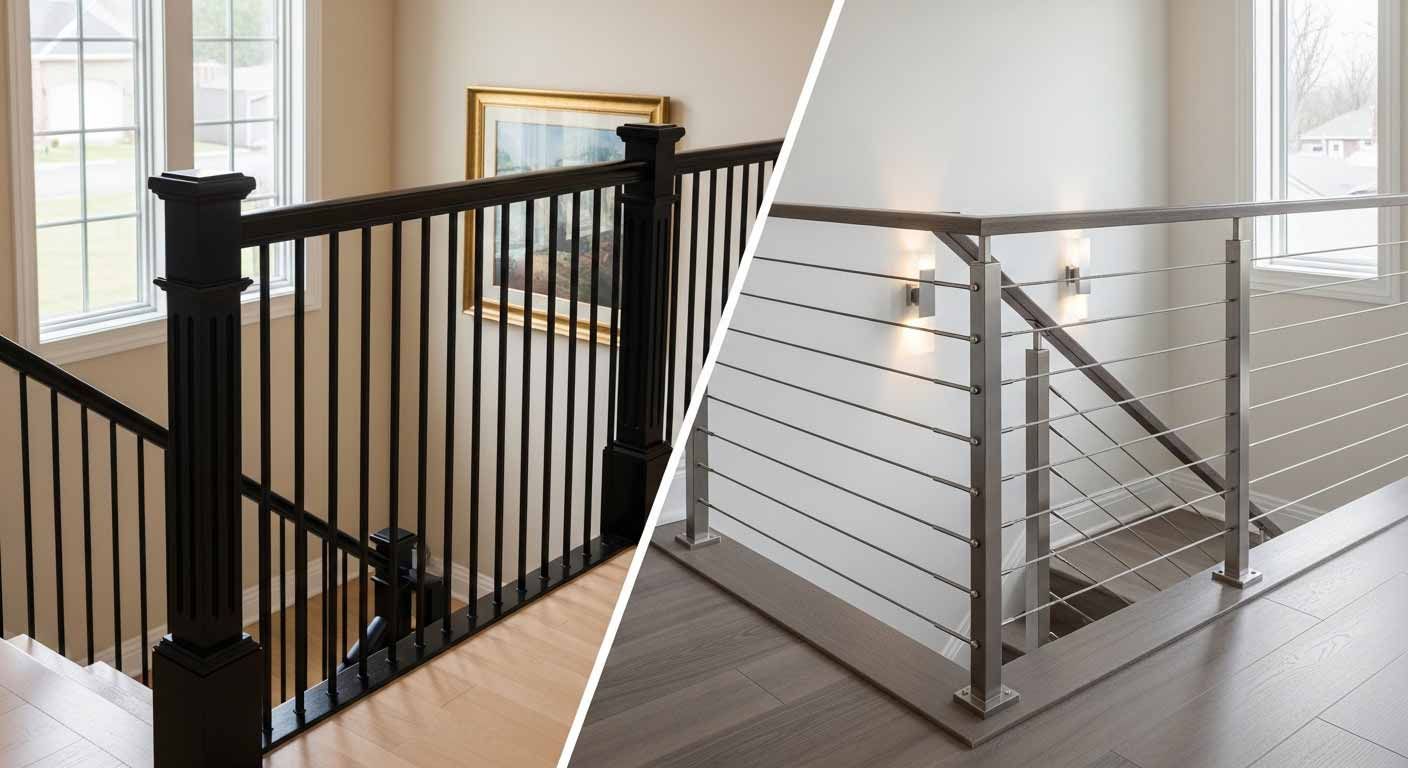
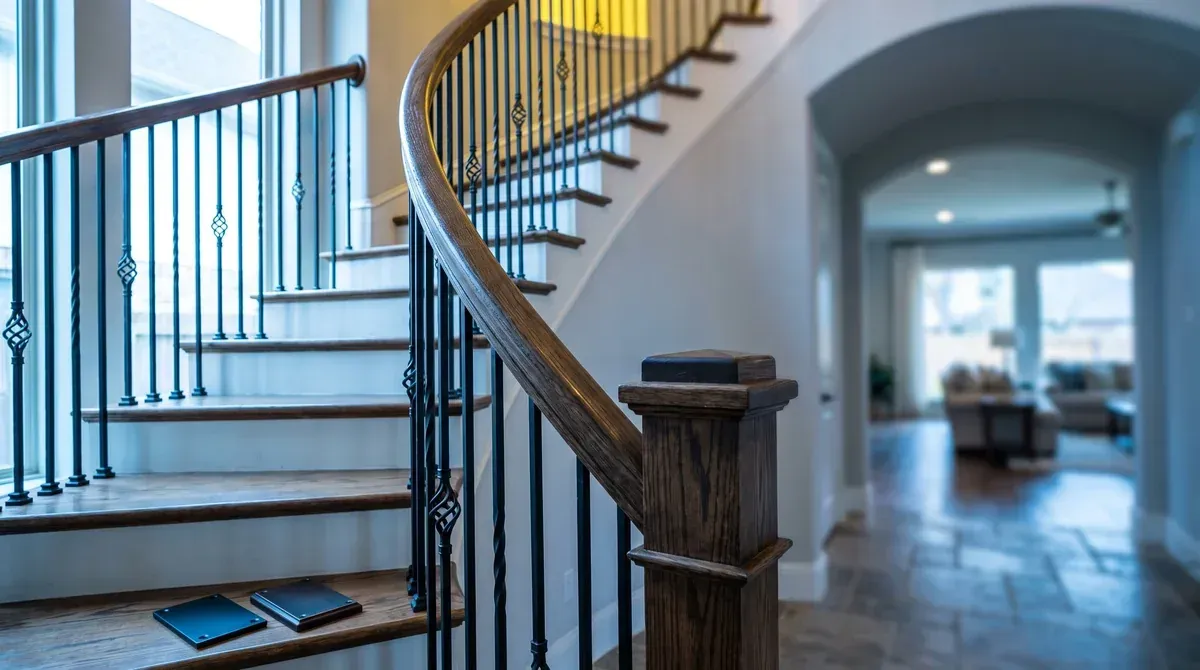
Custom metal fabrication lands in the most visible places on a high-end residential project. Custom stair railings anchor the interior and are often among the first things a guest notices when they walk through the front door. When those pieces fall short, the client notices immediately, and the conversation comes back to the designer.
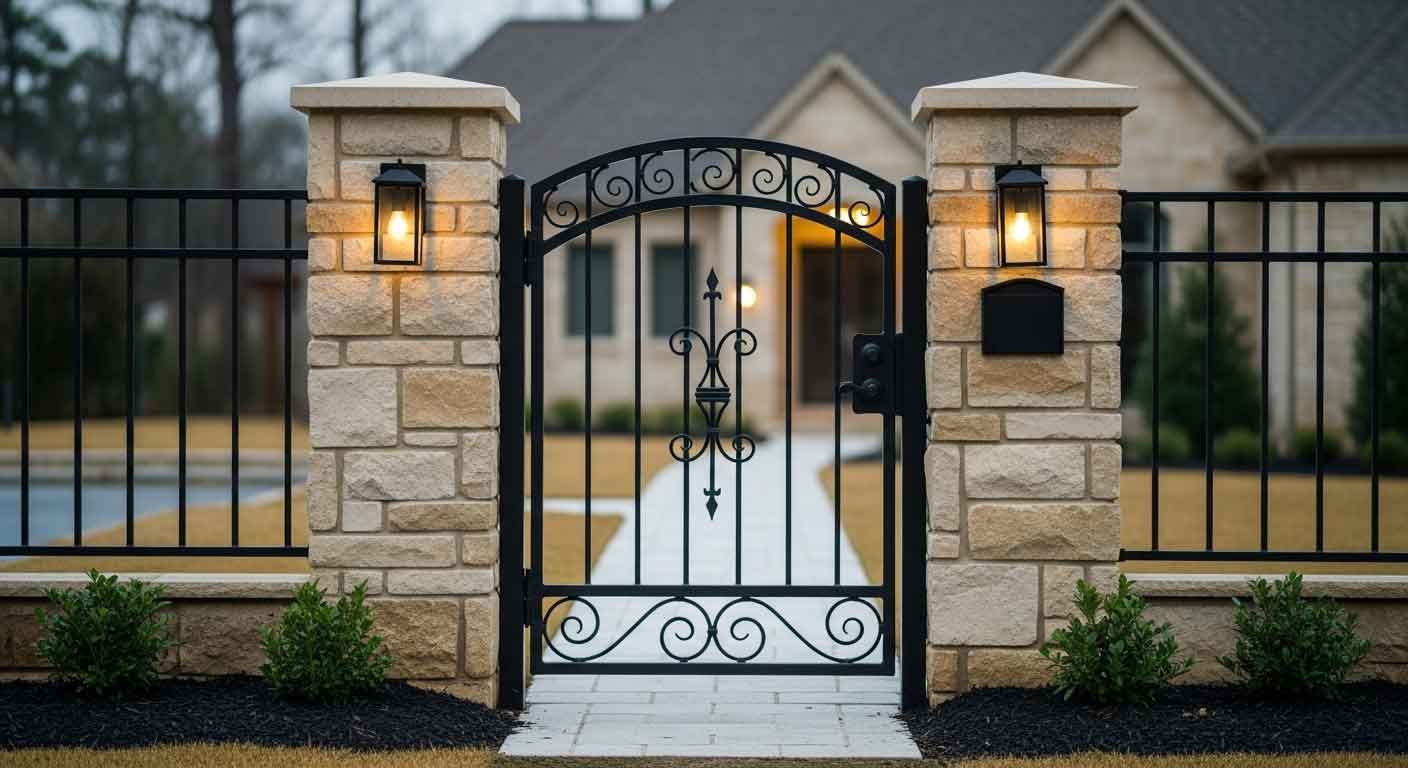
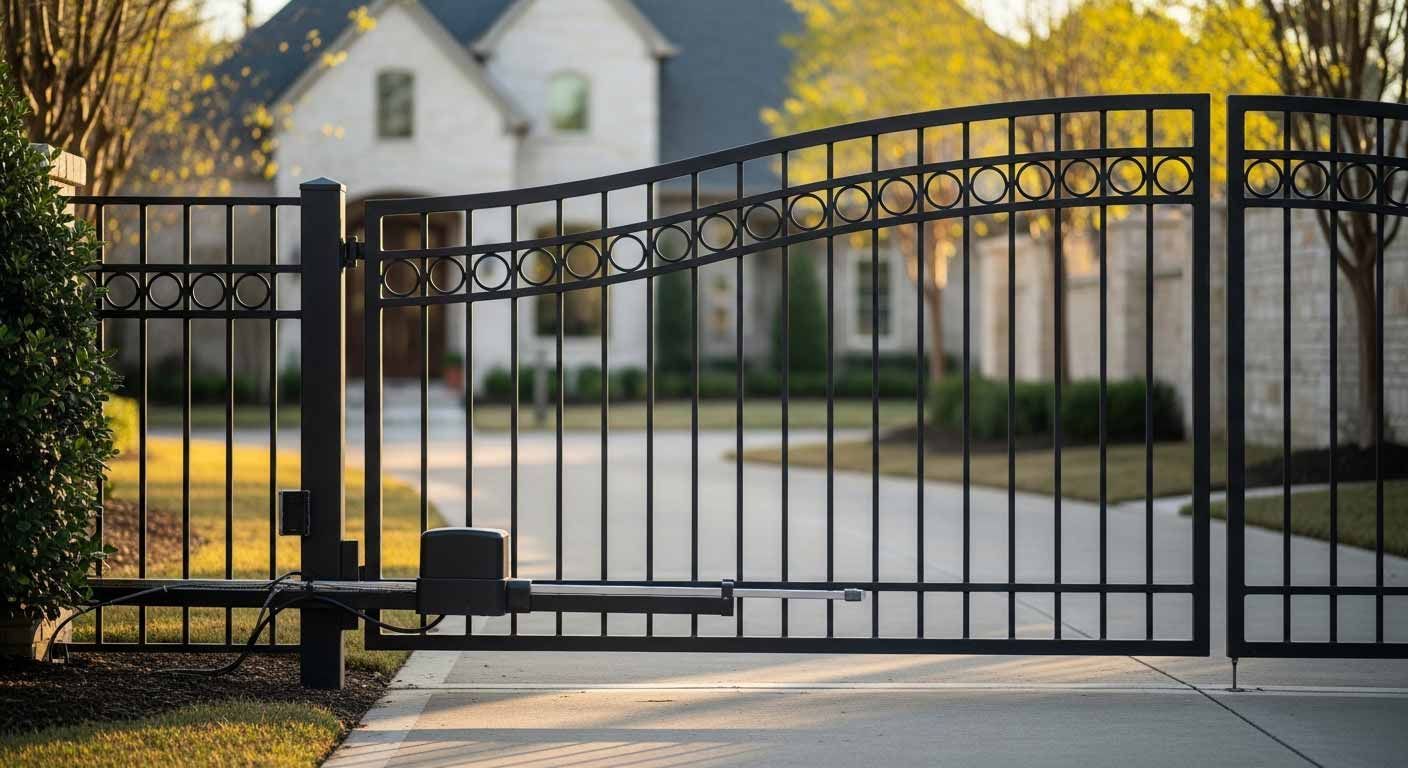
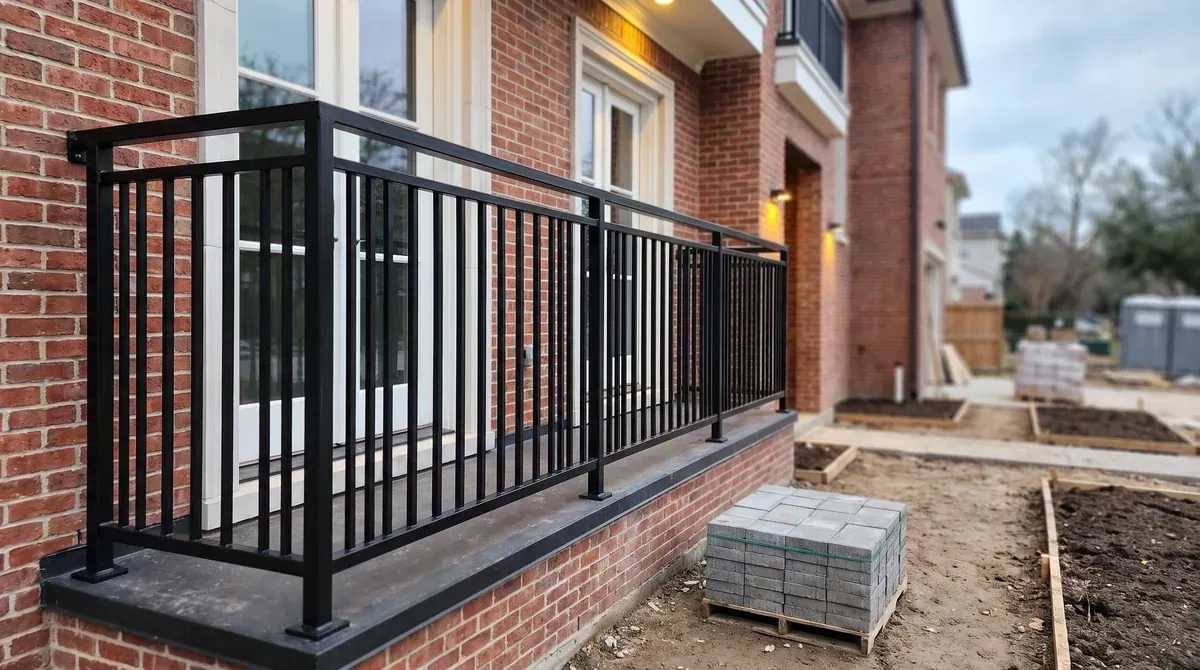
Iron entry gates and exterior metalwork carry the same weight from the street. That visibility is what makes the fabricator relationship matter more than most designers expect going in. The fabricator is not just executing a spec. They are translating a design intent into a structural object that will live in that home for decades, and getting that translation right requires communication that goes beyond what fits on a drawing.
What Makes a Fabricator Easy to Work With
Fabricators who are easy to work with on designer-led projects share a few consistent traits. They understand that on a designer-coordinated project, the designer is the primary relationship. Questions about scope, design changes, or material options route back through the designer, not directly to the homeowner client. That discipline protects the designer-client relationship and prevents the kind of scope drift that creates problems on complex renovation projects.
They are also honest about capability and schedule before a project is contracted. A fabricator who has been doing this work in Houston for decades has seen most design concepts before. They can tell you early if a profile requires additional material sourcing time, if a finish treatment will look different in natural light than it appears in an inspiration image, or if a particular clearance creates a functional issue with the chosen hardware. That applies whether the scope includes custom iron doors, stair baluster profiles, or ornamental gate work.
The alternative is a fabricator who says yes to everything and figures it out later. In our experience, that is what produces surprises at installation. And surprises at installation are what damage the designer-client relationship most reliably.
How to Communicate Design Intent
What transfers well to a fabricator is anything visual and dimensional: elevation drawings with overall dimensions, section profiles for key elements, and reference images that convey the design intent. These give a fabricator what they need to produce an accurate shop drawing for your review before fabrication begins.
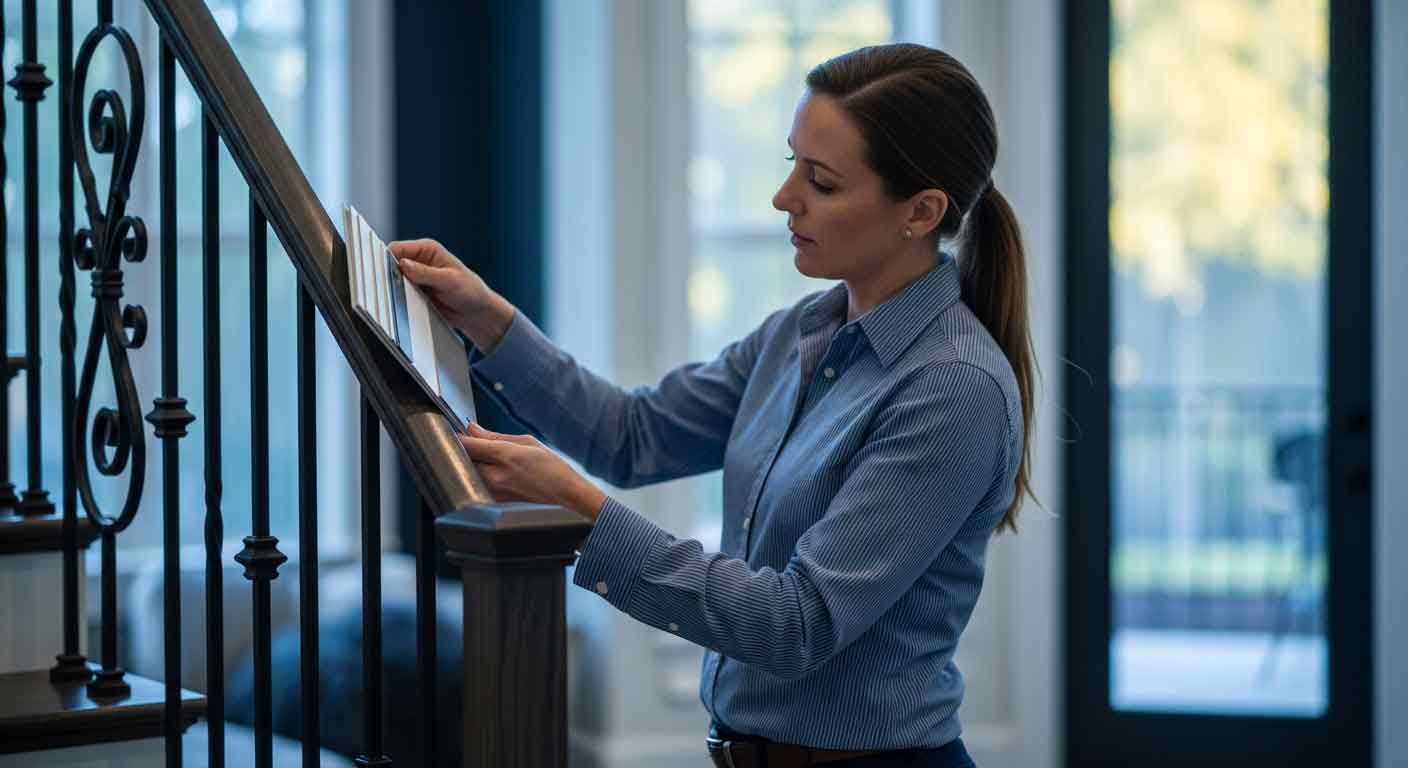
What needs explicit clarification is finish language. "Matte black" can mean a dozen different things across powder coat, patina, and paint systems. "Brushed stainless" has a direction and a grit specification that affect how the surface reads in a finished installation. Before fabrication begins, confirm that your finish description matches the fabricator's interpretation. Reviewing a physical sample when one is available removes any ambiguity.
Profile descriptions benefit from the same specificity. A clean iron profile and a similar silhouette in square tube steel can read very differently in an installed space. If the material is part of the design intent, state it explicitly.
Lead Times and the Project Schedule
Lead times on custom residential metalwork in the Houston area depend on project complexity and current shop backlog. As a general reference:
- Small projects typically run one to two weeks from shop drawing approval to installation
- Medium projects run two to three weeks
- Larger or more complex scopes run three to four weeks or longer
One detail that matters for project scheduling: the lead time clock starts at shop drawing approval, not at the estimate. If the shop drawing review process takes a week, you are that much further out on your installation date. Building in that approval window before committing to a fabrication scope on a renovation schedule is the step that most often gets missed.
It is also worth asking directly about the fabricator's current backlog. A shop actively running several large residential projects may have less schedule flexibility than their stated lead times suggest. That conversation is much easier to have before you commit to a client timeline than after.
HOA Documentation When You Are Coordinating for a Client
Many neighborhoods in West Houston and Memorial require architectural review committee approval before exterior metalwork is fabricated or installed. When a designer is managing the project on behalf of a homeowner, that documentation process becomes part of the designer's scope.
HOA review committees typically require a design drawing with overall dimensions, material and finish specifications, and a site plan showing installation location. The drawing does not need to be a structural engineering document. It needs to be clear enough for the committee to evaluate whether the design meets the neighborhood's standards.
A fabricator who has worked in West Houston and Memorial for decades knows what those committees typically approve. They can produce a submission-ready drawing that gives the design a strong chance at first-submission approval. If the committee requests a revision, the fabricator can update the drawing without restarting the fabrication timeline, because fabrication has not yet begun.
One point worth communicating to your client: HOA approval comes before fabrication begins. Submitting for committee review is part of the project timeline, not a parallel activity. Setting that expectation early is the simplest way to prevent the most common source of frustration on exterior projects.
Working with A.G. Metalworks on Your Next Project
The fabricator relationships that hold up across multiple projects are built on honest communication from the first estimate. A fabricator who tells you what the actual lead time is, what they need from you to execute the design correctly, and how they handle the designer-client communication boundary is worth far more than one who simply says yes and works it out later.
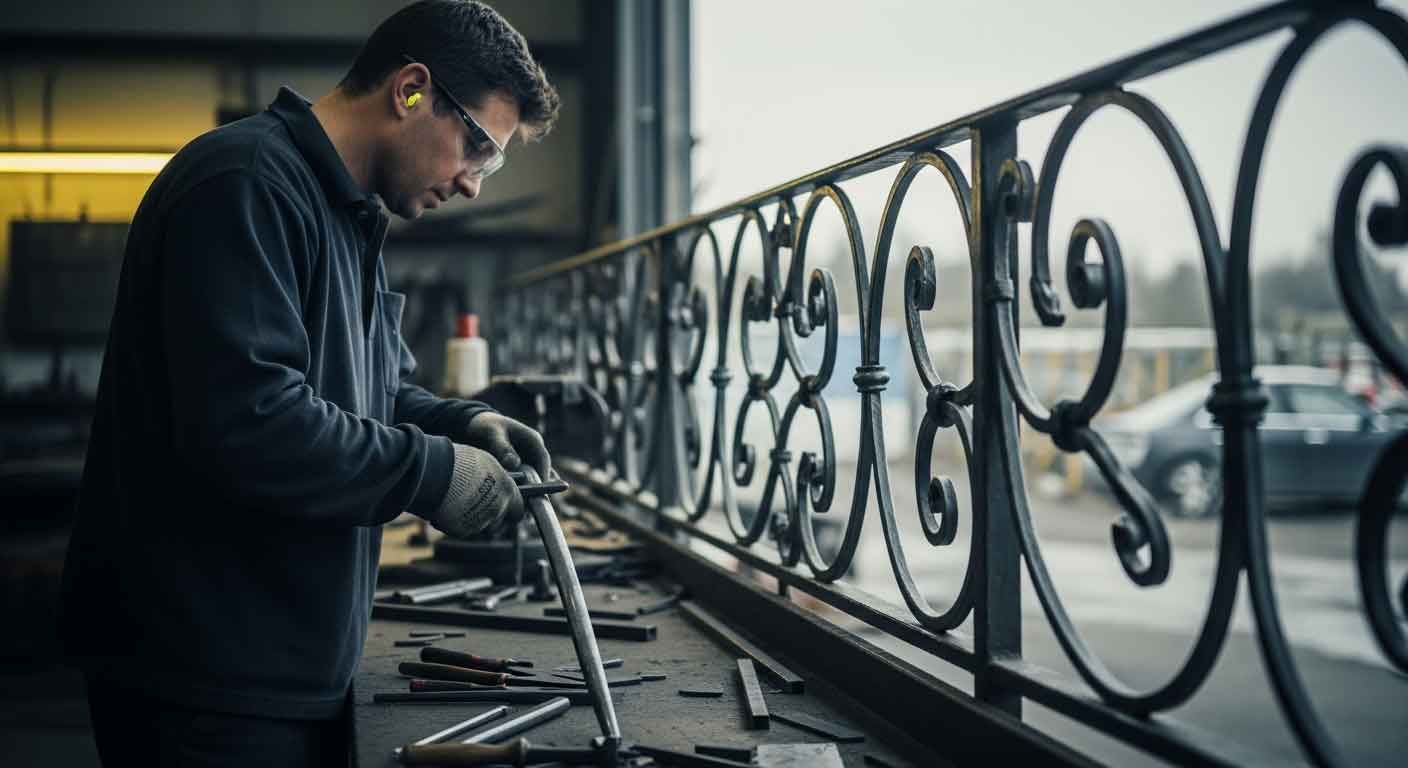
A.G. Metalworks is the residential division of A.G. Welding. We have been doing custom iron fabrication for interior designers and homeowners in West Houston and Memorial for nearly 40 years. We work from design drawings, inspiration images, or direct design conversations, and we handle the full project from fabrication through installation.
Contact A.G. Metalworks to discuss your next designer project by
requesting a free consultation or calling us at (346) 528-5677.
From Consultation to Installation Day: What the Custom Metal Fabrication Process Actually Looks Like