How Iron Holds Up in Houston's Climate: What Homeowners Should Know About Finish and Maintenance
What Houston's Climate Does to Iron Finishes
Houston is genuinely hard on exterior materials. The combination of heat, high humidity, heavy seasonal rainfall, and temperature swings between summer and winter creates conditions that work on metal surfaces faster than most homeowners realize. Iron doesn't rust on its own. The process requires bare metal coming into contact with both moisture and oxygen over time. In Houston, that exposure is nearly constant through much of the year, which means the quality of the protective coating over the iron matters more than almost anything else about how long an installation holds up.
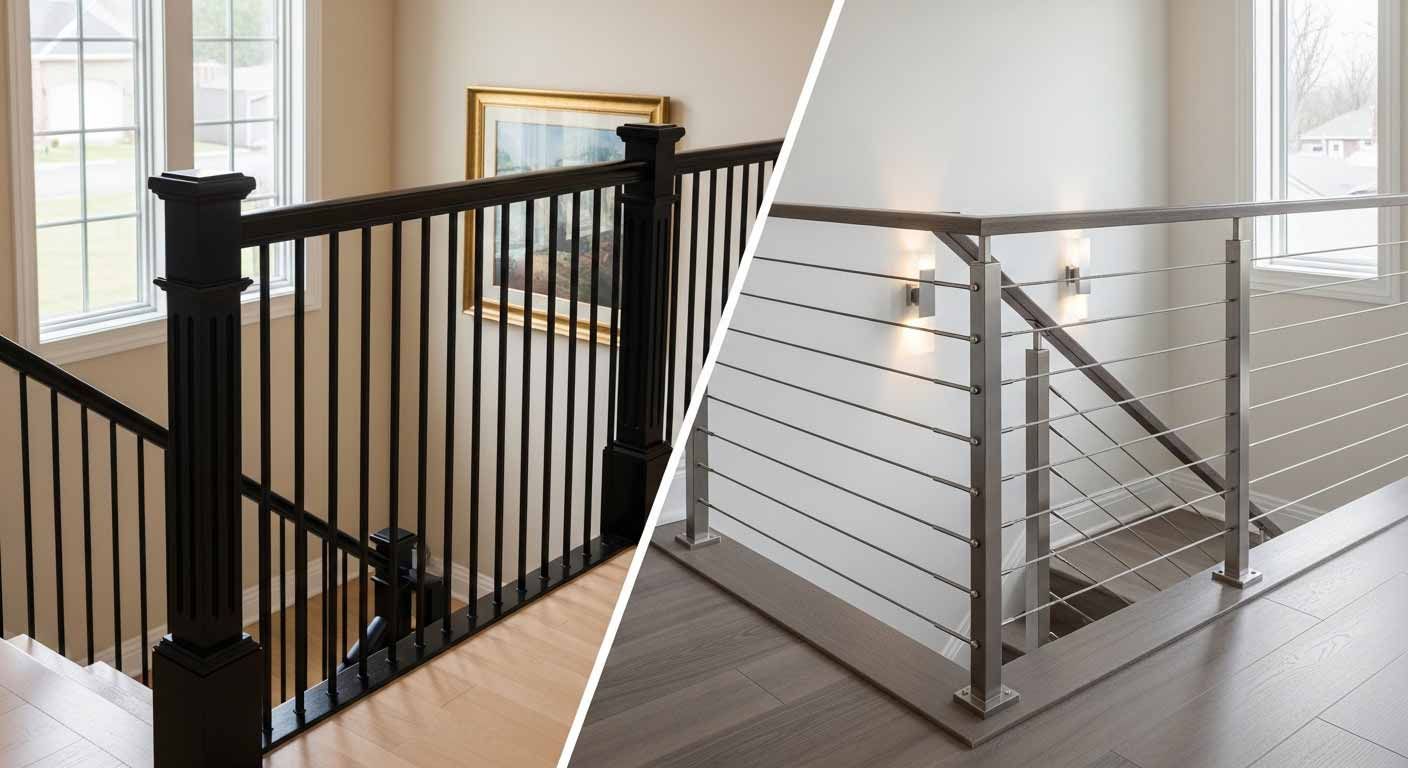
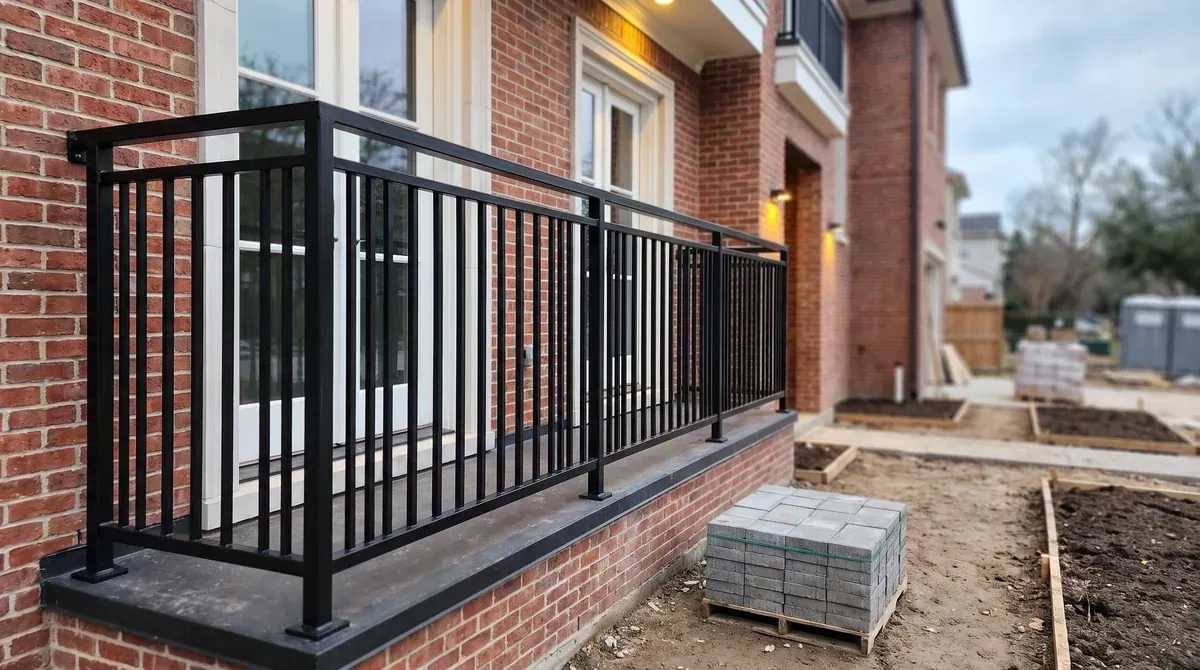
This is true for residential iron fencing, iron stair railings, and any exterior metalwork exposed to Houston's weather. The iron itself isn't what varies between a piece that lasts decades and one that needs attention inside five years. The finish system is.
How Powder Coat Changed the Standard
Before powder coat became common, most residential iron installations were finished with paint applied over a rust-inhibitive primer. That approach was workable when applied carefully and maintained regularly, but it had real vulnerabilities. Paint cracks and chips under temperature cycling and UV exposure. When the surface breaks, moisture gets in underneath, and corrosion can spread beneath the finish in areas you can't easily see until the problem is well established.
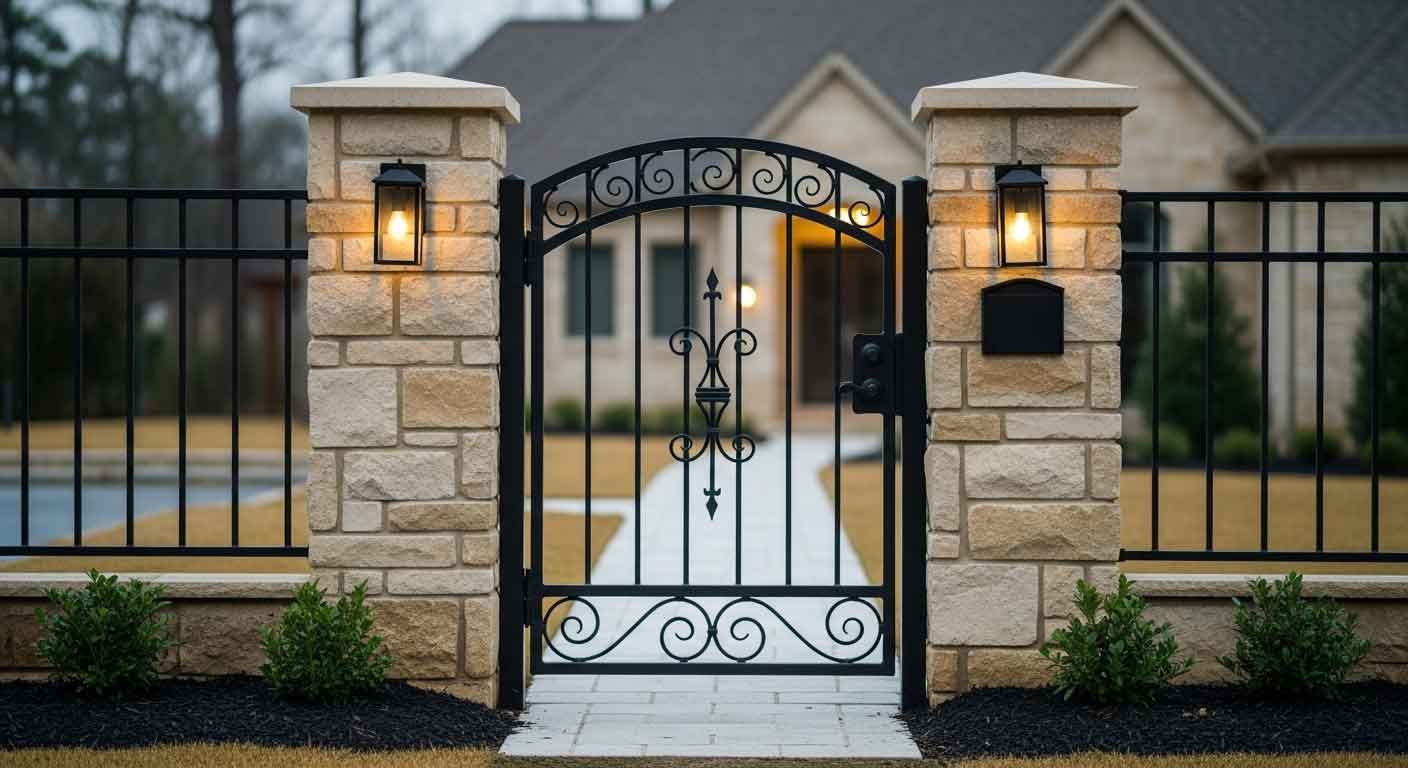
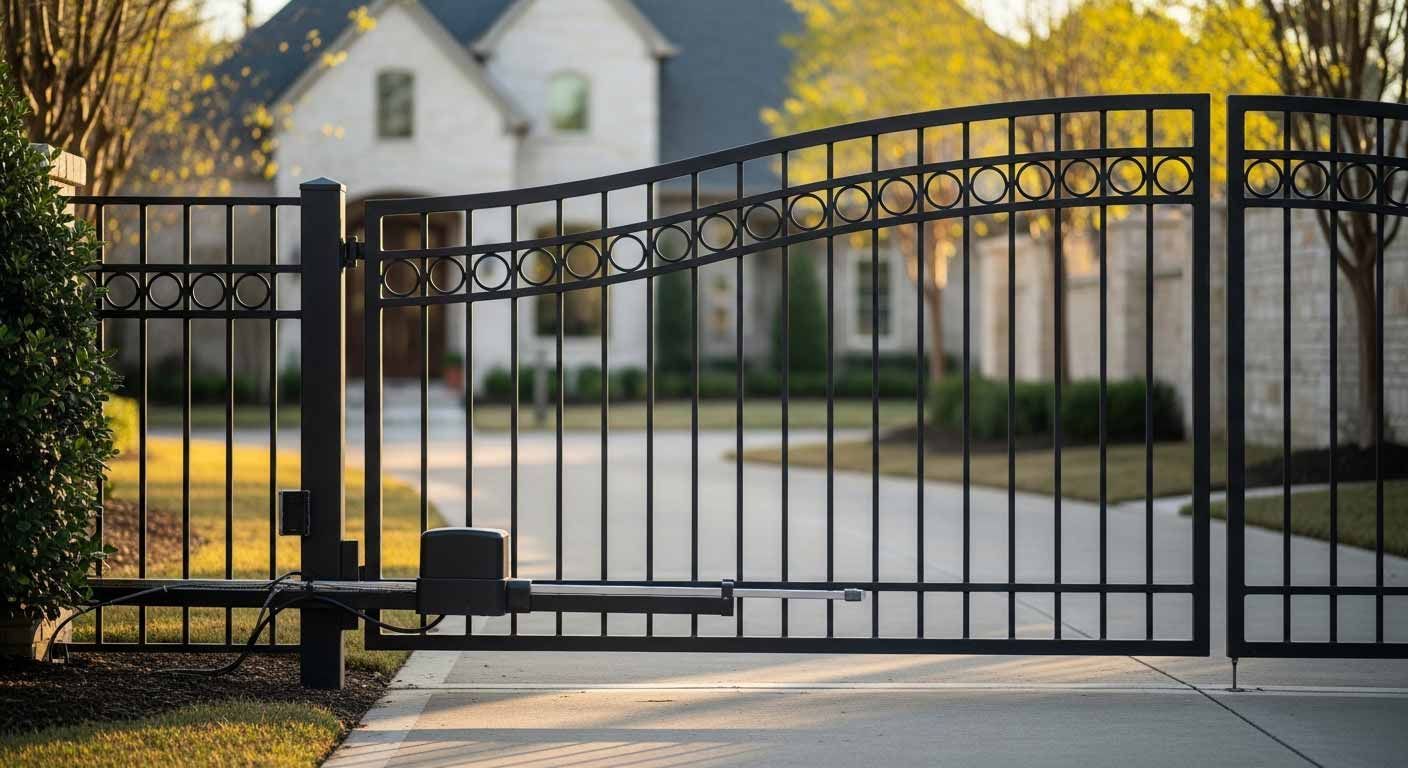
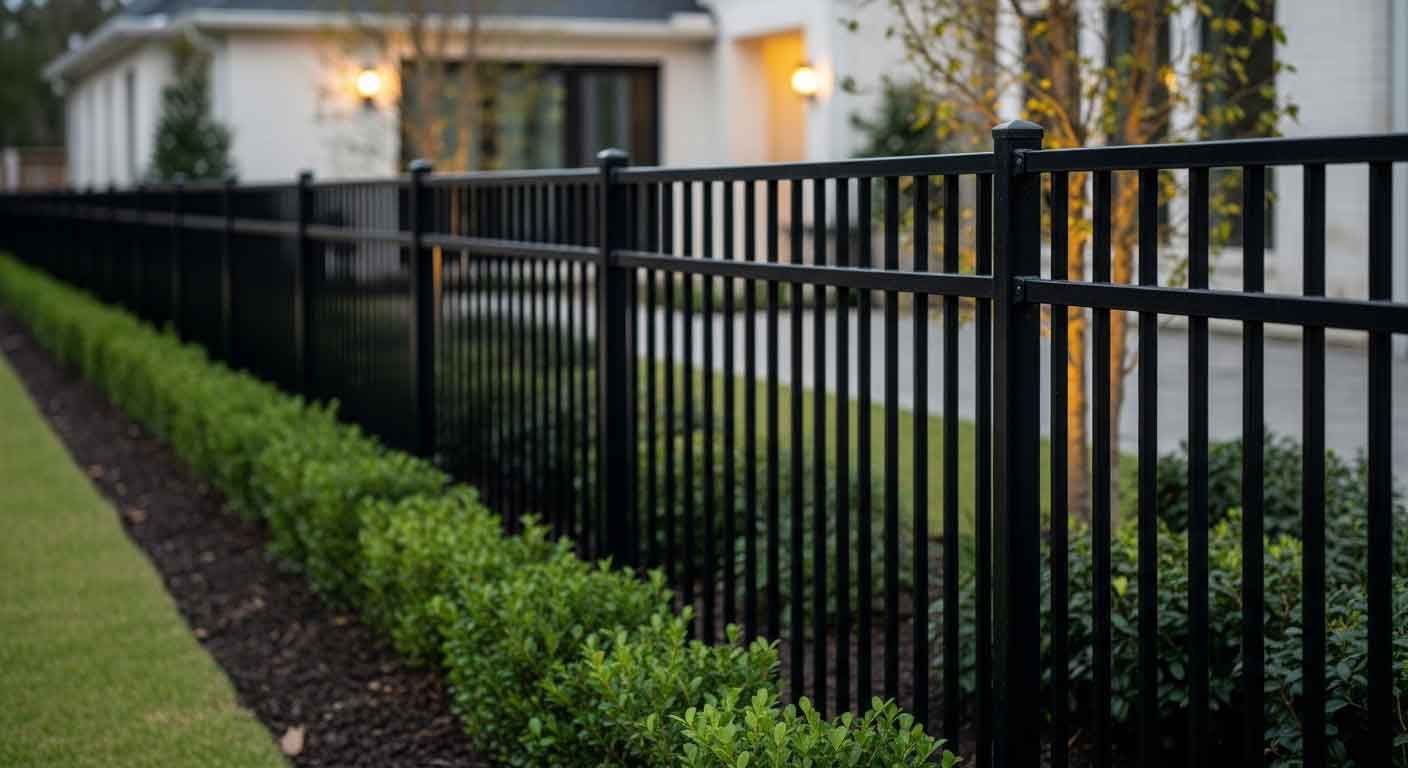
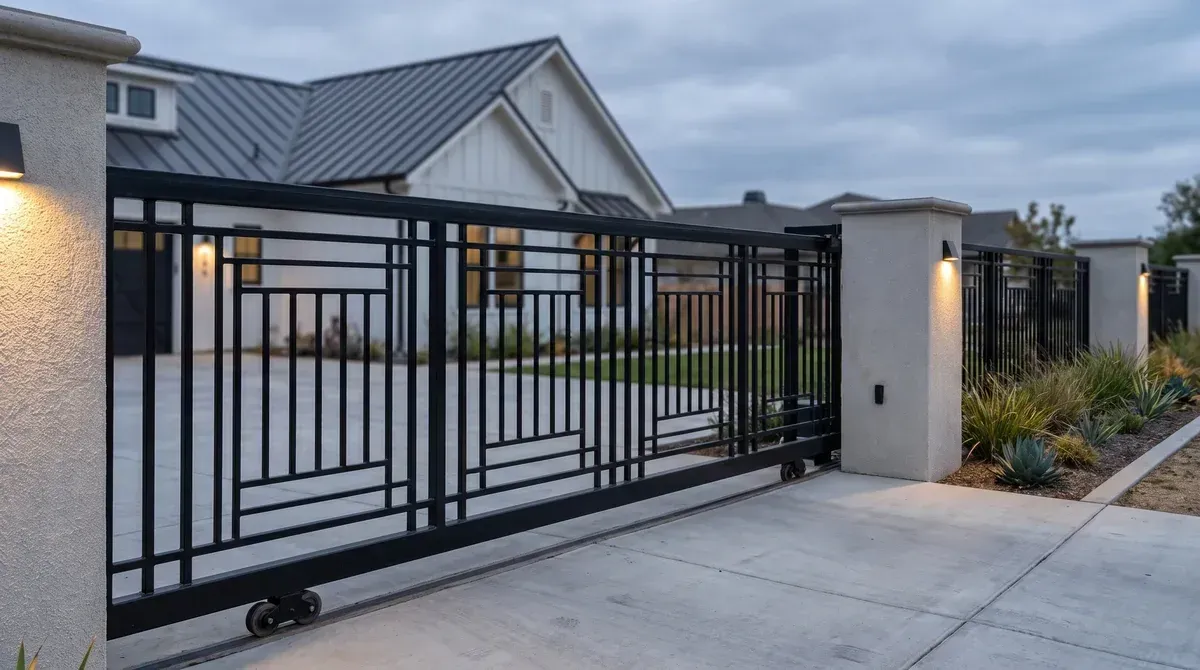
Powder coat works differently. A dry powder is applied to the metal surface using an electrostatic process, then cured at high heat to form a hard, continuous coating. There are no brush strokes, no seams, no uneven film thickness. The result bonds to the metal in a way that is more resistant to chipping, peeling, and moisture penetration than a painted surface. Driveway gates, iron entry gates, and fencing panels that are powder coated hold color better under direct sun and hold their surface integrity longer in humid conditions.
Powder coat is not indefinitely permanent. Physical impact, abrasion, and prolonged UV exposure will eventually work on any finish. But it starts from a significantly stronger position than paint and generally requires less frequent intervention to stay in good shape.
Where Rust Starts on a Residential Iron Installation
Even well-finished ironwork has vulnerable points. Knowing where to look is the practical first step in staying ahead of surface problems.
Common origins for rust on residential ironwork:
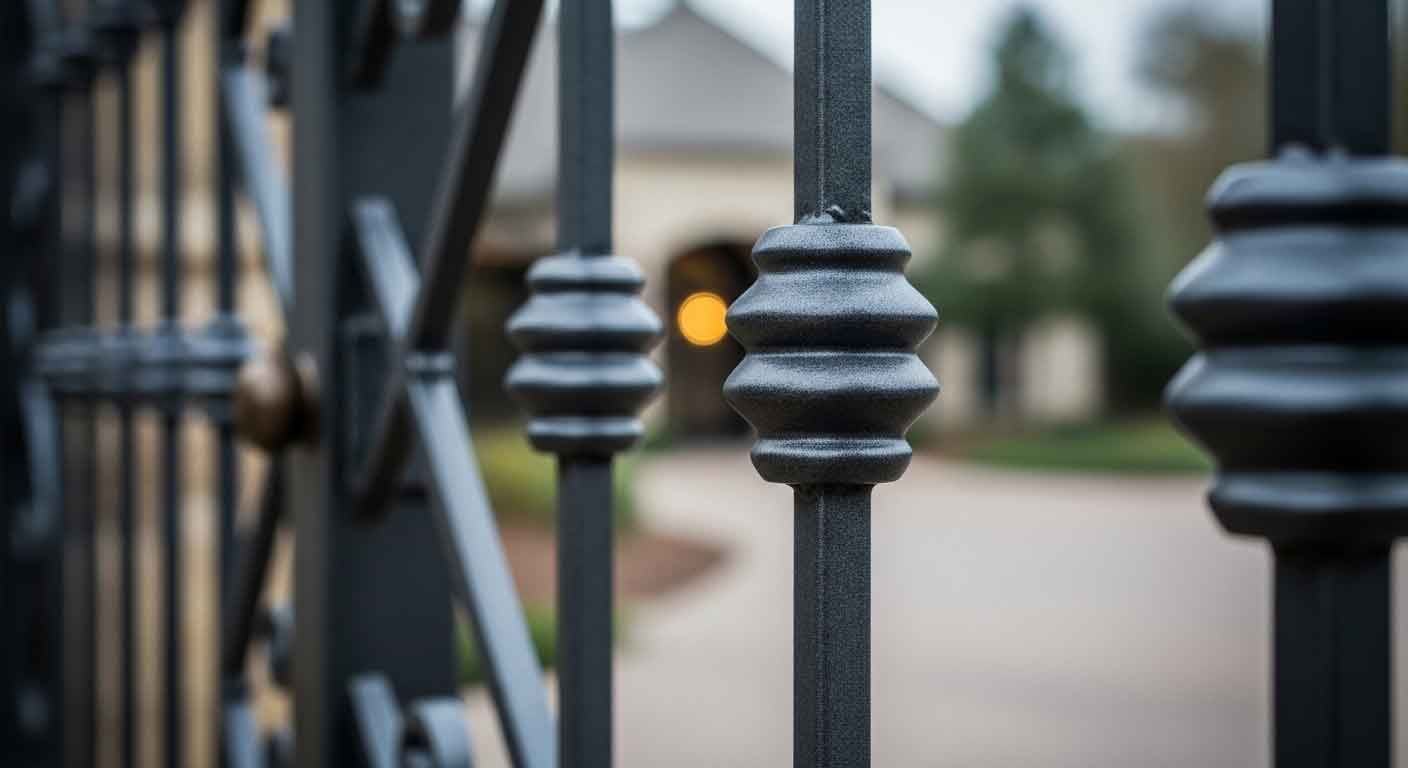
- Welds and joints. Where two pieces of metal are joined, the finish is sometimes thinner or less consistent. Small gaps at joints can trap moisture.
- Cut edges and end sections. Edges are harder to coat uniformly than flat surfaces. Any edge that wasn't treated thoroughly during fabrication is a potential entry point.
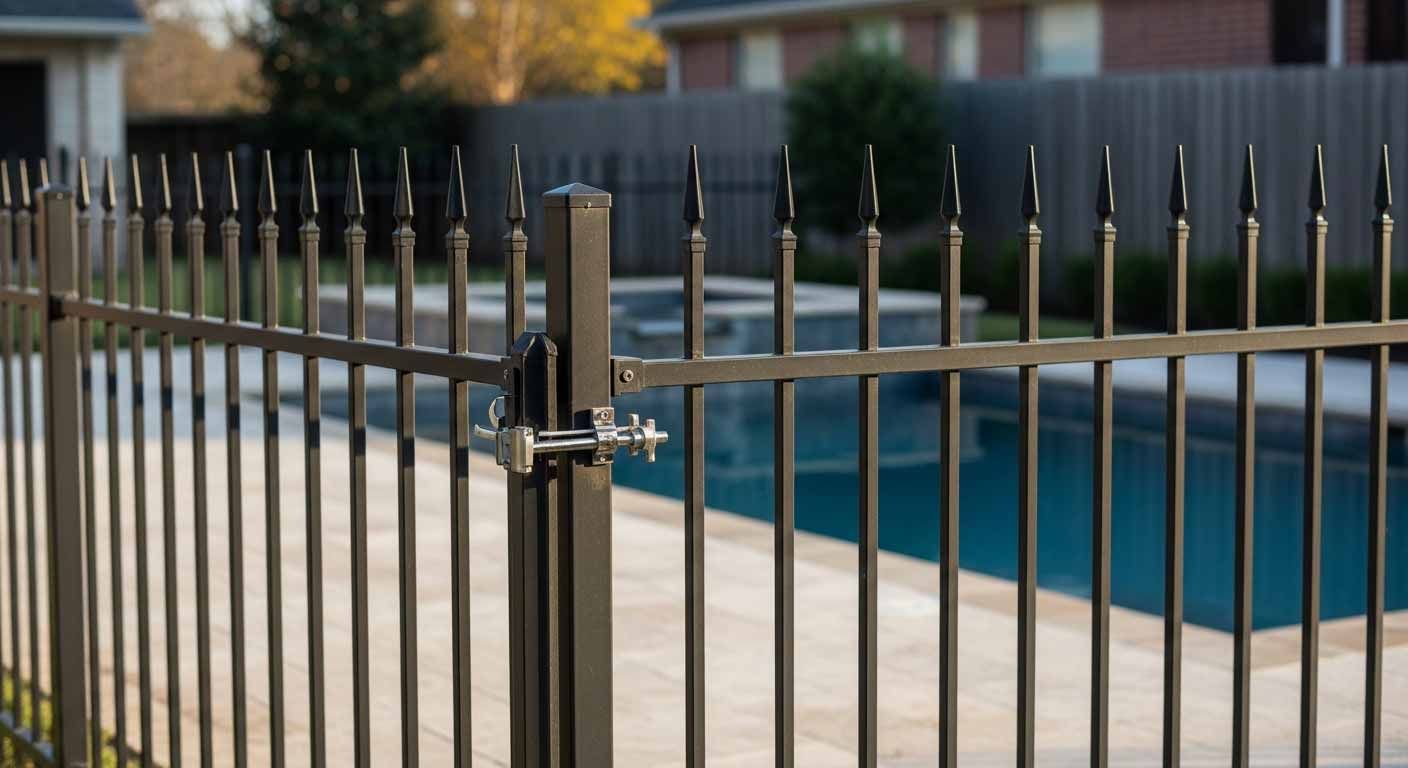
- Physical damage to the surface. A gate dragging on pavement, a lawnmower clipping a fence rail, or an impact that chips the finish down to bare metal creates an opening that moisture will find.
- Low-mounted sections and ground contact. Posts and bottom rails sit closest to standing water after rain. Finish wear at or near ground level tends to develop faster than on upper sections.
Rust usually starts small. It shows up as orange or brown staining, or as bubbling under the finish surface. The earlier it's caught, the simpler the repair.
A Maintenance Routine Worth Following
Annual inspection is the baseline for most homeowners in West Houston and the surrounding area. Walk the full installation after storm season, paying attention to the locations listed above. Look for:
- Surface staining or discoloration
- Bubbling or blistering in the finish
- Chips or scratches that reach bare metal
- Deteriorating caulk or sealant at wall or post penetrations
In addition to inspection, keep the surface clean. Organic debris and accumulated moisture that sit on iron long-term speed deterioration. A rinse with water and mild soap once or twice a year removes buildup without damaging the finish.
When you find small chips or scratches with no rust yet present, touch them up promptly. The window between catching a surface break and letting rust establish itself is where maintenance pays off most. A small chip addressed early is a quick repair. The same chip ignored for a season becomes a more involved one.
When Touch-Up Is Enough and When It Isn't
Touch-up works when the damage is small, localized, and caught before rust has formed underneath. Clean the area, apply a compatible primer to bare metal, and finish with matching touch-up paint or a powder coat repair product.
Refinishing makes sense when surface deterioration has spread beyond isolated points, when rust has progressed into multiple areas, or when the original finish has aged to the point where spot repairs no longer blend. Refinishing means stripping the old finish, treating any rust, and recoating the whole section or piece. It's real work, but it's far less expensive than replacement and can extend an installation's useful life considerably.
Replacement becomes the right answer when corrosion has affected the structural integrity of the iron, when repairs would cost close to what a new piece would cost, or when the original installation predates modern finish systems and would benefit from being rebuilt with current materials and methods.
Homeowners who inspect and maintain their ironwork annually often avoid that last category for a long time.
Making the Right Finish Decision Before Fabrication
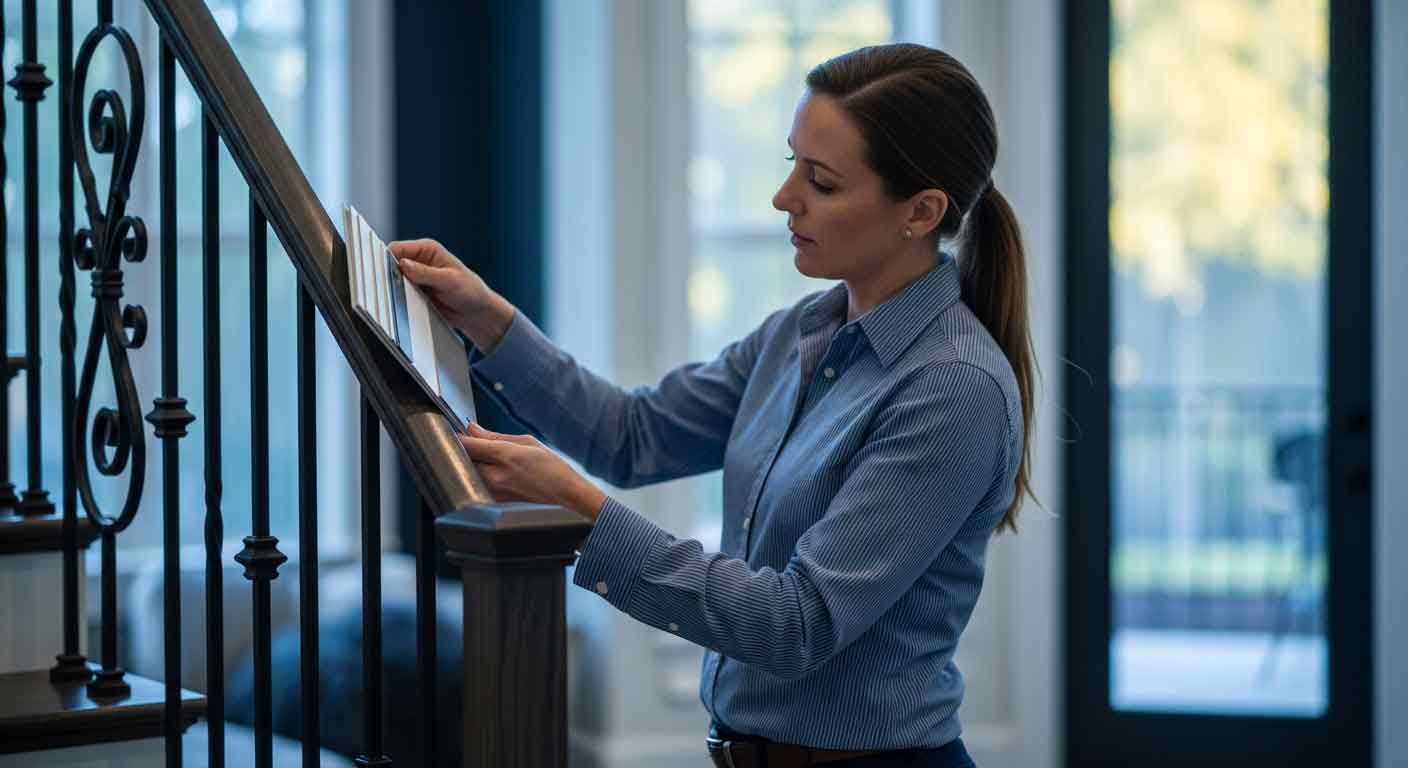
These considerations are worth raising with your fabricator before the project is built. Ask specifically about the finish system being used and how it's applied. Consider where each piece will be installed and what kind of ongoing exposure it will face. A gate at street level in a low-lying area may need more attention than a covered interior railing. Planning for maintenance from the start is simpler than catching up on it later.
Ready to Start a Project
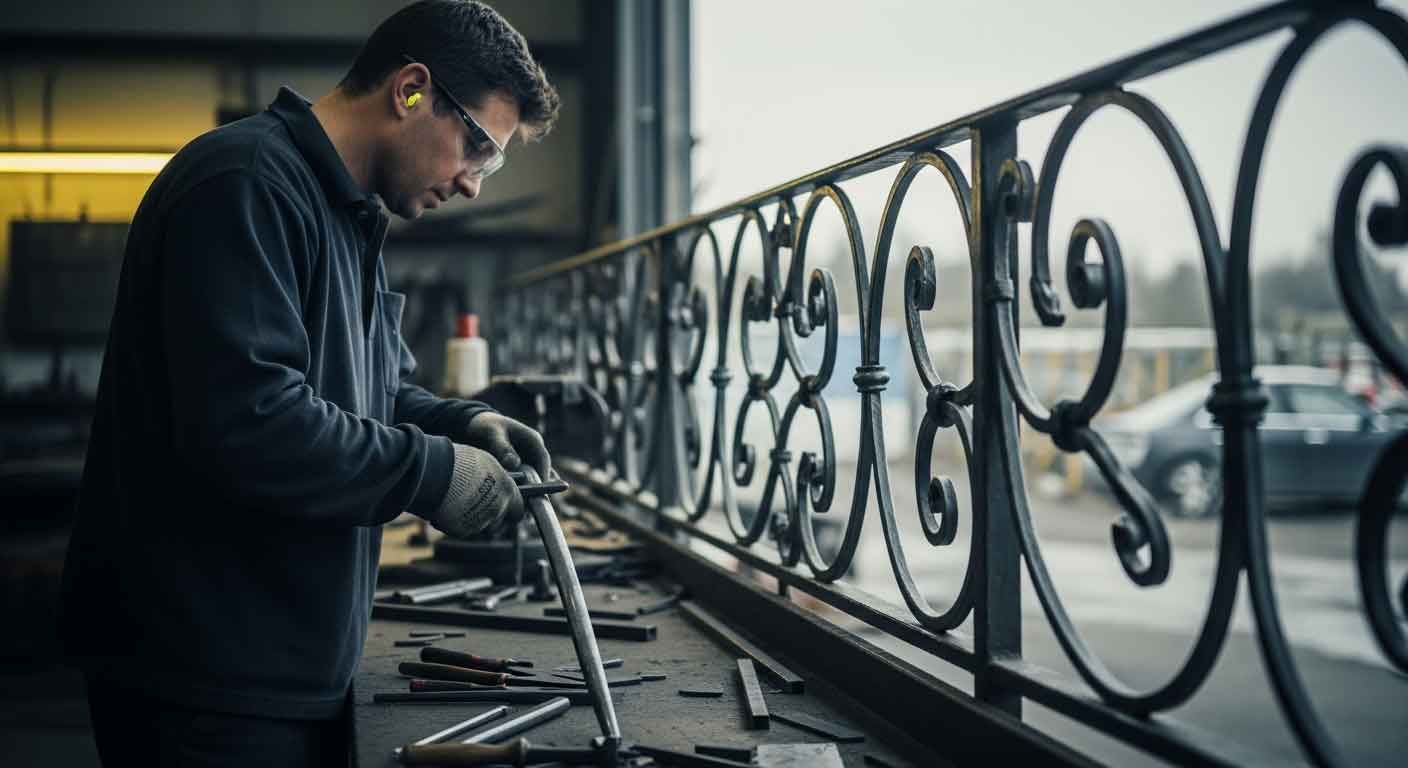
After nearly 40 years fabricating and installing custom ironwork in West Houston and the surrounding area, we've seen what holds up over time and what doesn't. Finish quality, coating process, and the care taken at welds and edges all make a difference. We're glad to walk through the specifics with you before fabrication begins.
Contact A.G. Metalworks to discuss your iron railing, gate, or fencing project by
requesting a free consultation or calling us at (346) 528-5677.
From Consultation to Installation Day: What the Custom Metal Fabrication Process Actually Looks Like