What Custom Home Builders in Houston Look for in a Metal Fabrication Partner
What Builders Need From a Metal Fabrication Partner
On a production home, the railing package is usually the same from one lot to the next. A custom home is different. Each house has its own stair, its own entry and its own gate, and a homeowner who picked those details and will notice if anything is off. That is why the choice of a metal fabrication partner carries more weight on a custom build.
At A.G. Metalworks, the residential division of A.G. Welding, we have worked alongside custom home builders since our start as a small residential shop in 1982.
What we've found is that builders ask for different things than homeowners do. A homeowner wants the railing to look right. A builder wants that too, plus a few things the homeowner rarely sees:
- Schedule reliability. Ironwork lands late in the build, when the punch list is short and the closing date is close. A fabricator who misses a window holds up painters, flooring touch-ups and the final walkthrough.
- Clear scope communication. A written proposal that says what is included, what is not, and how long fabrication and installation are expected to take.
- No surprises. No change orders that appear after the fact, no crew that leaves a mess, no homeowner calling the builder to complain about a sub.
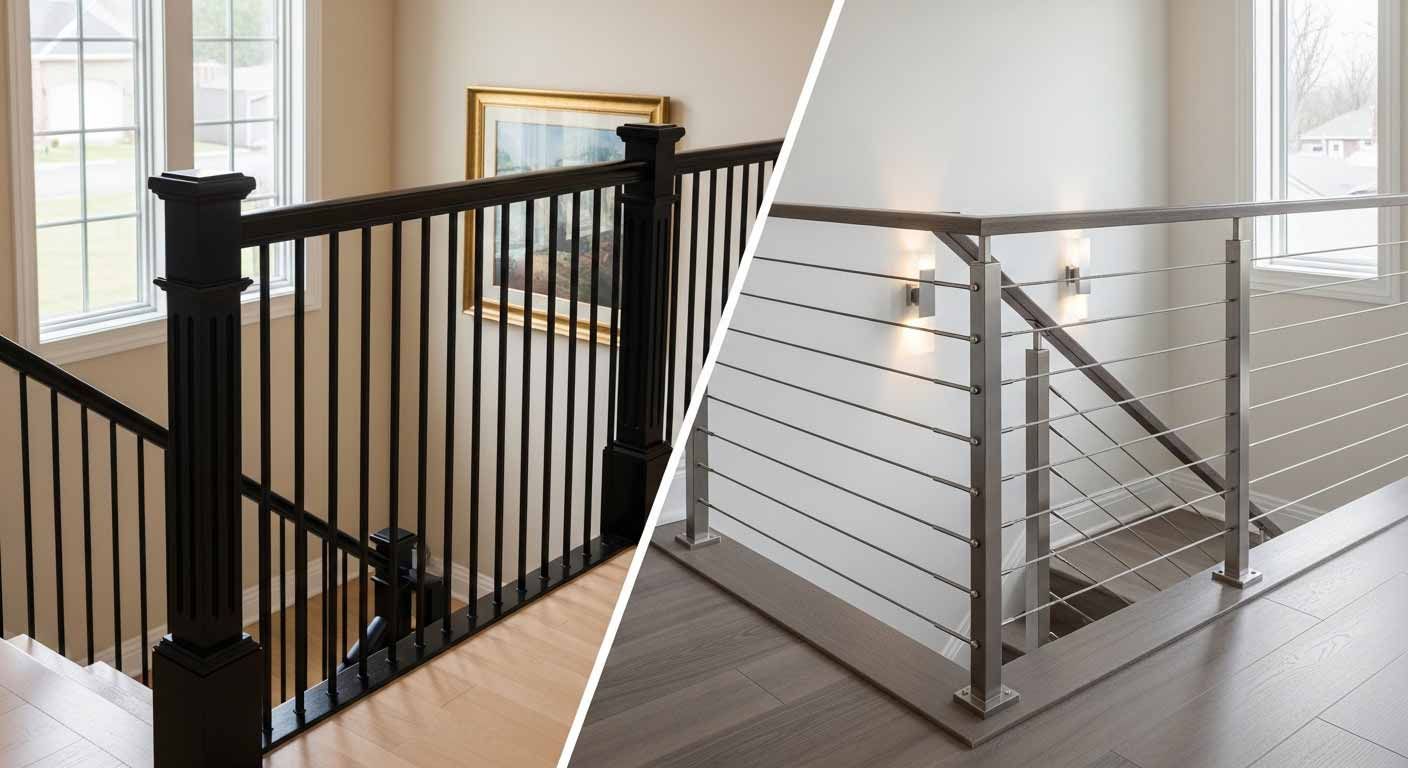
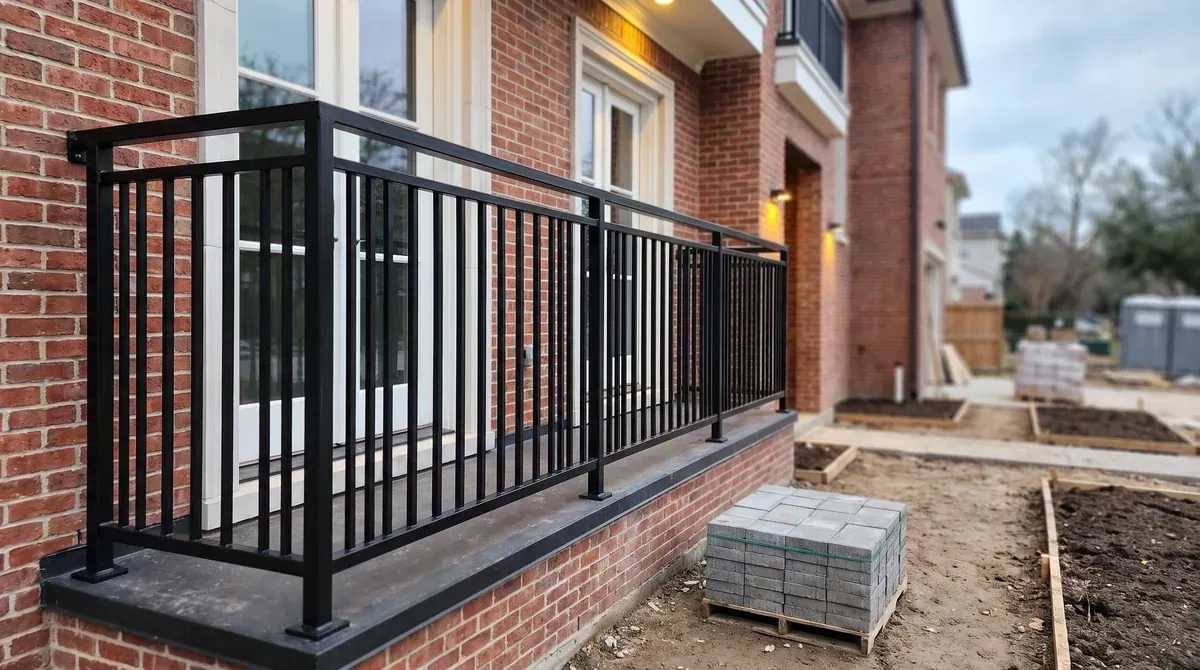
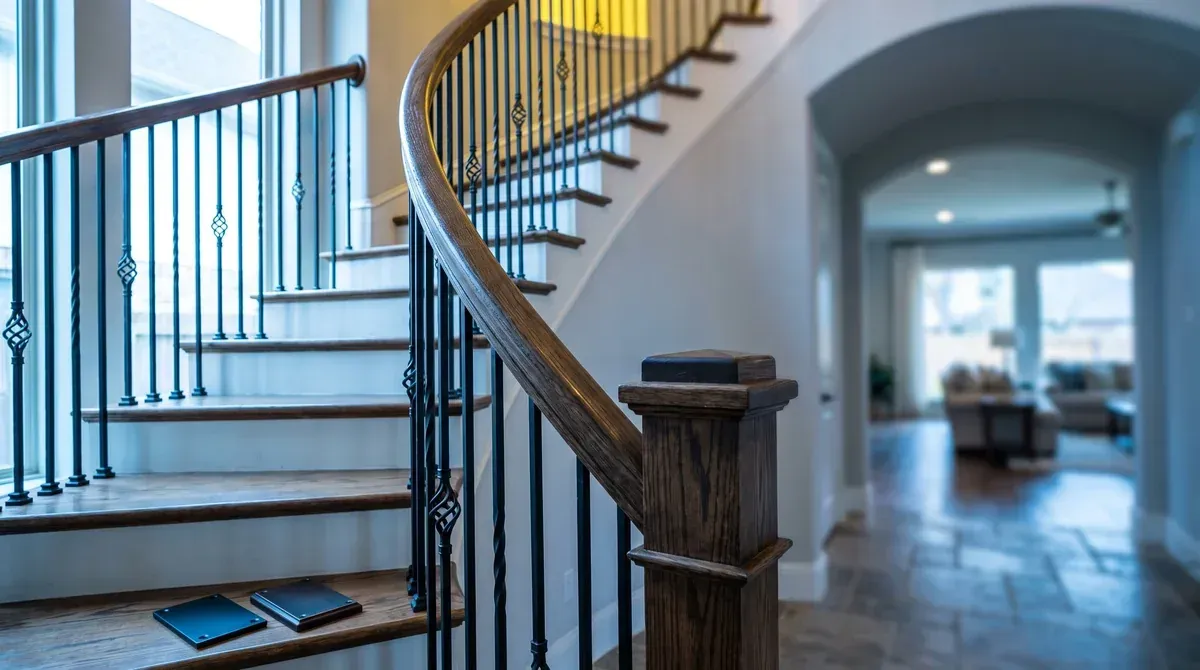
Custom iron stair railings are a good example. They sit in the foyer, usually the first thing a buyer or a guest sees, and the builder's name stays on that house long after the fabricator has packed up.
A Fabricator Who Understands Construction Sequencing
Builders spend a lot of their week managing trade sequence. A fabricator who already knows where ironwork fits takes some of that off the builder's plate.
Inside the house, iron stair railings are typically field measured once the treads and risers are in, then installed after the finished flooring is down and ahead of final paint. Measure too early and the railing gets built to a stair that changes. Install too early and the iron gets bumped and scratched by the trades that follow.
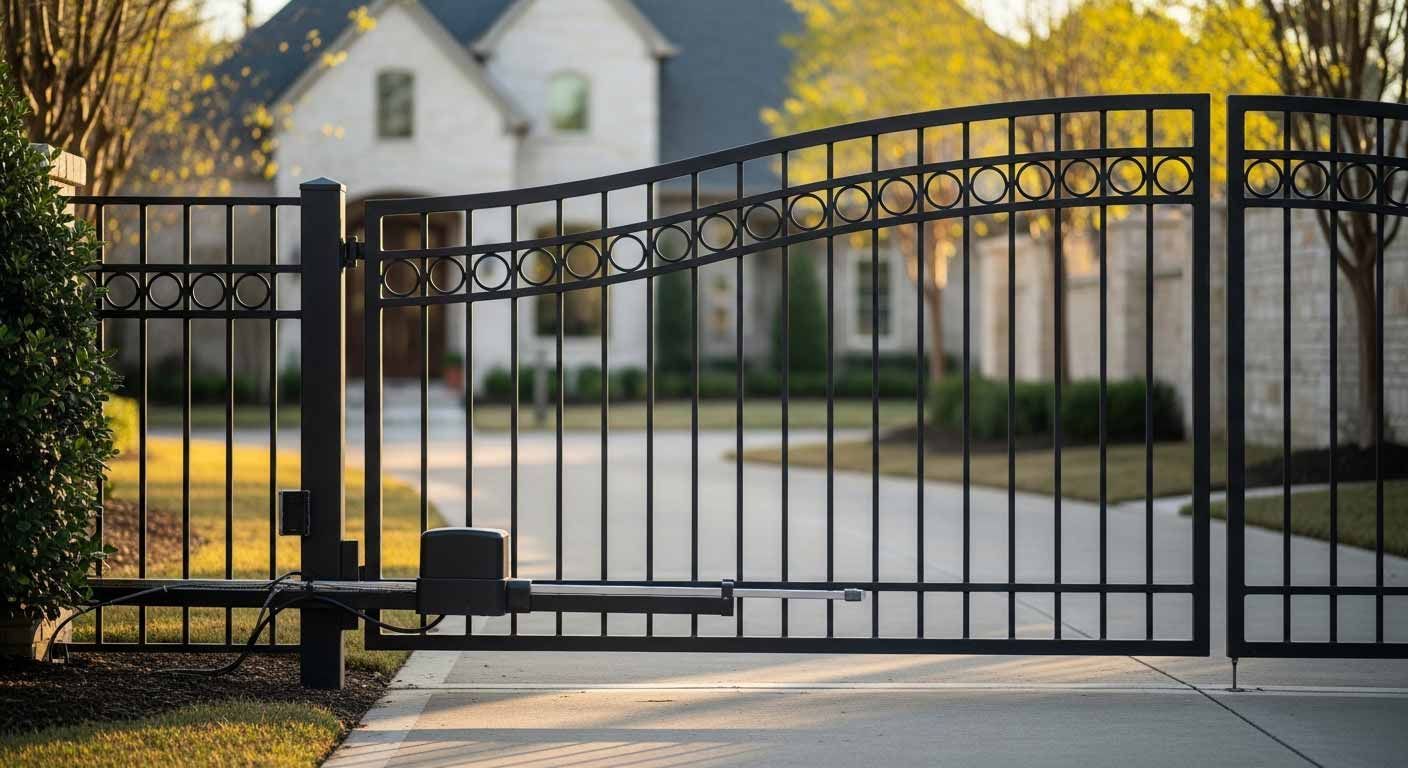
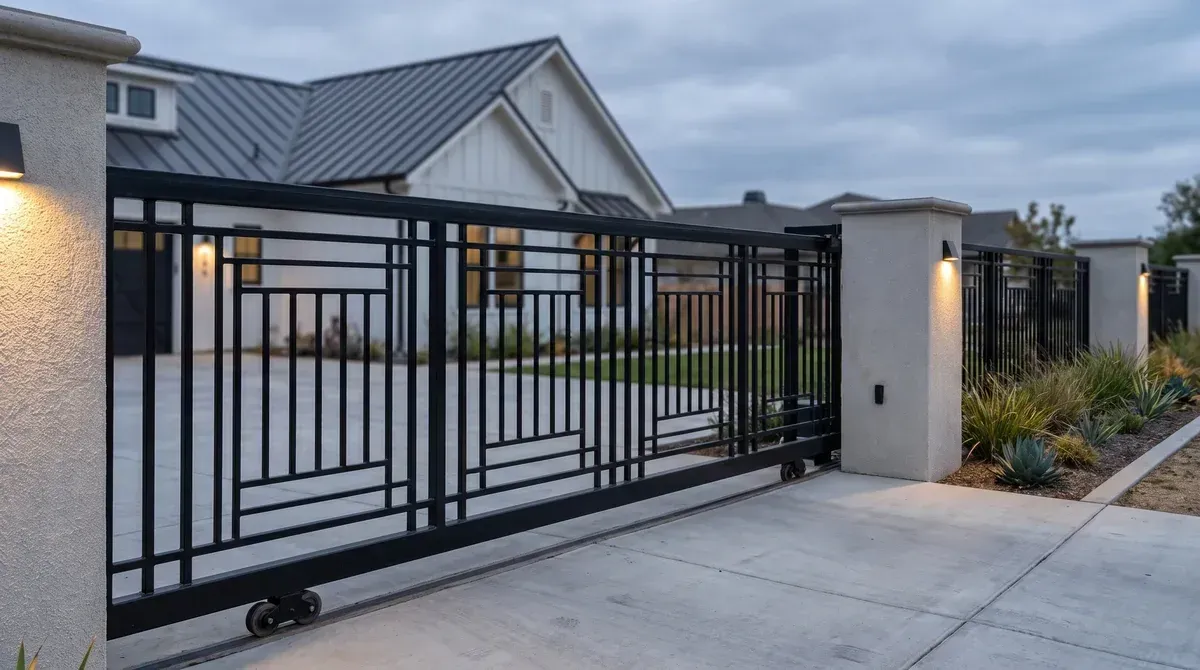
Outside, the timing changes. An automated iron driveway gate needs conduit and power run before the driveway is poured, and the gate columns need to be planned with the hardscape, not after it.
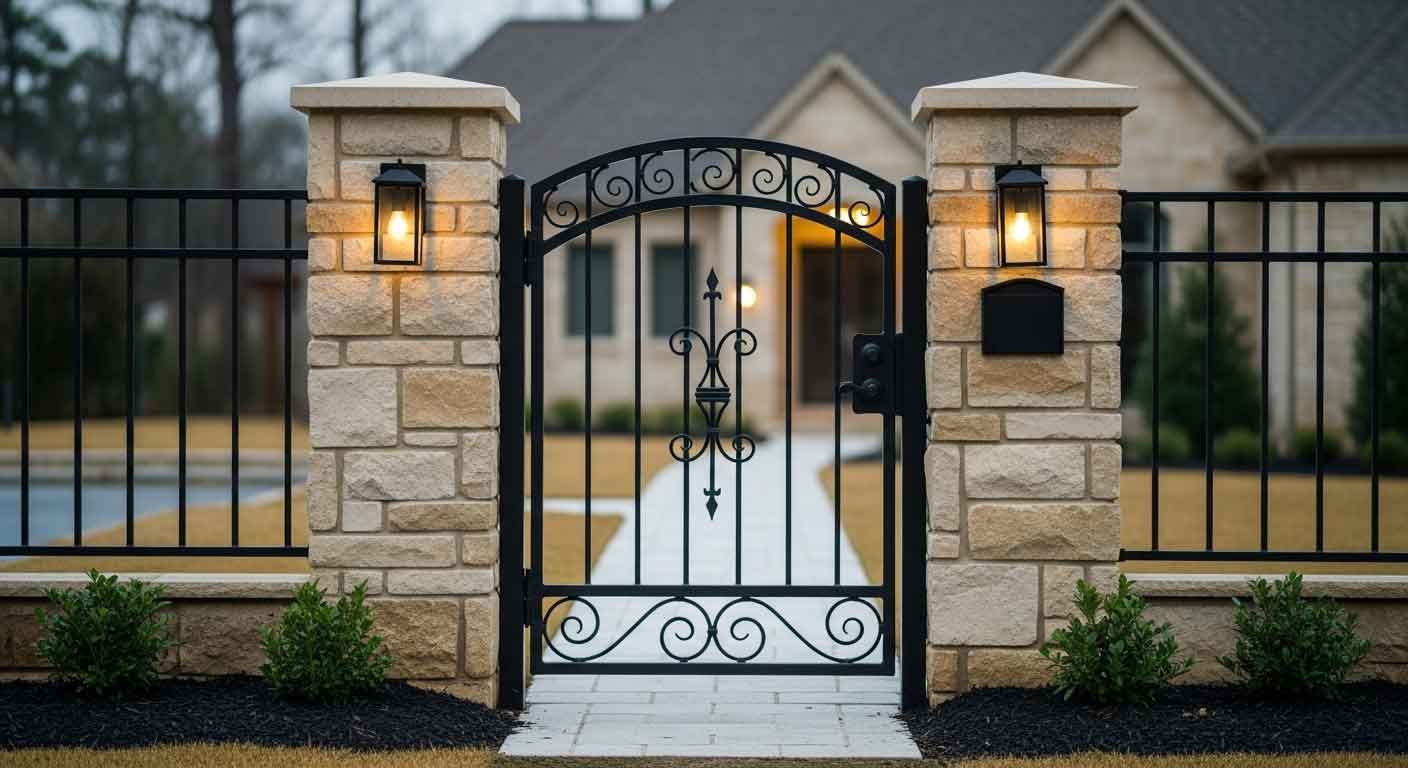
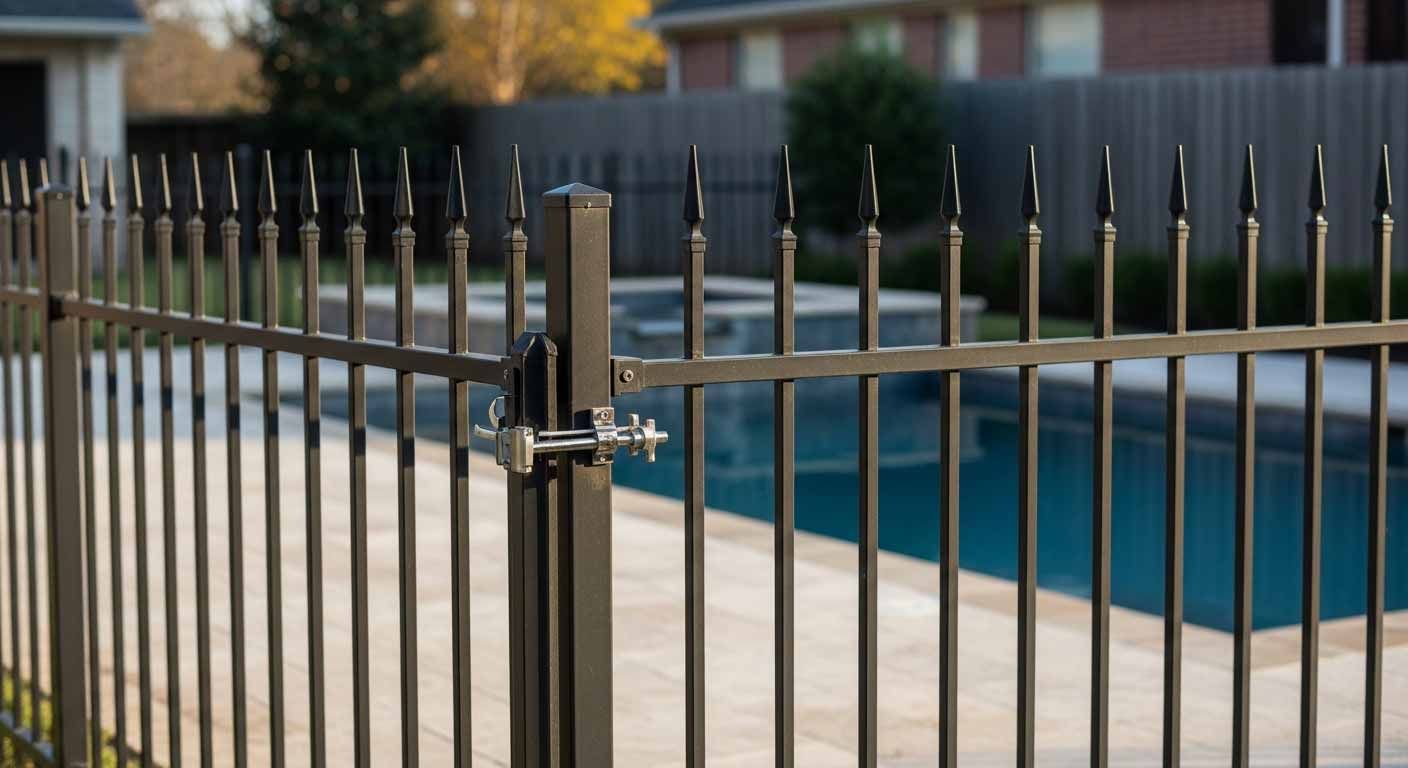
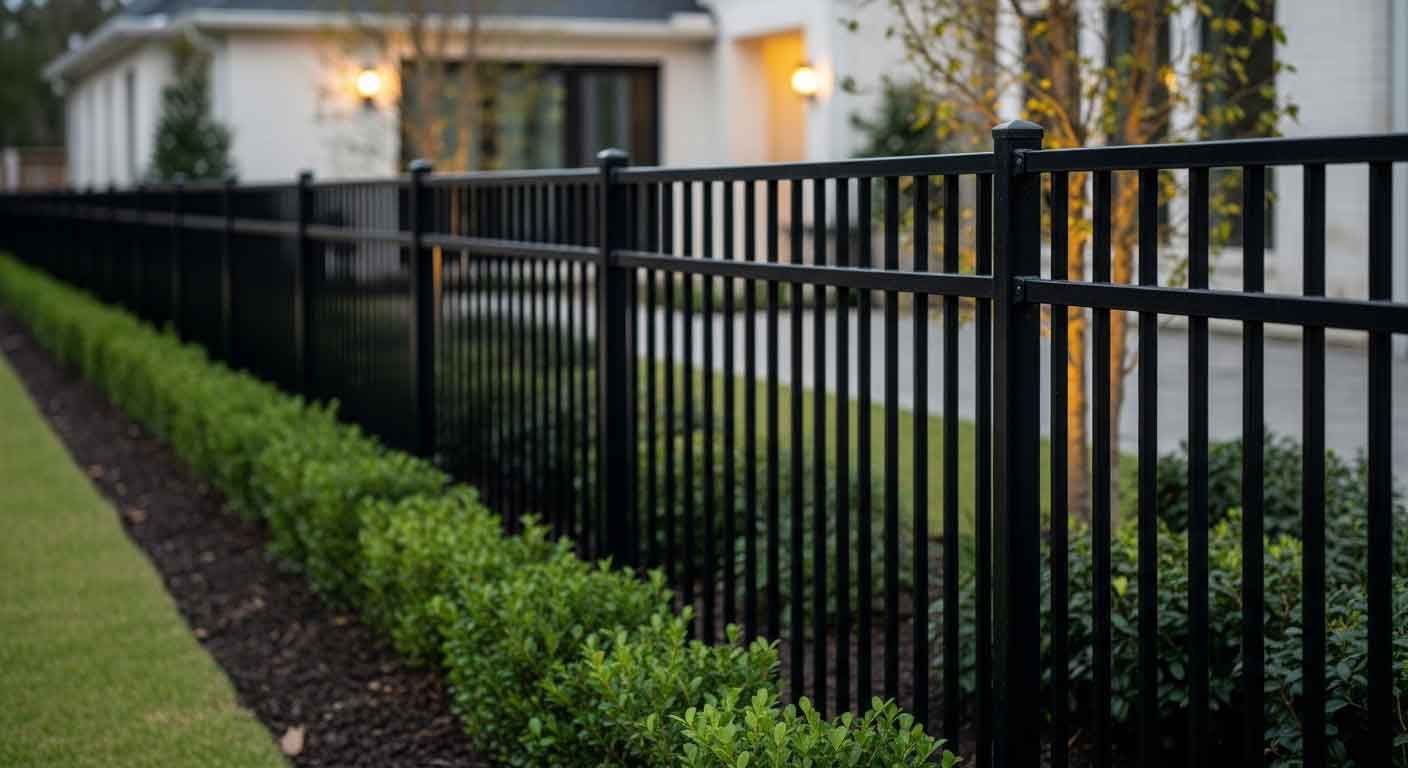
Fencing has its own version of this. Post locations for a custom iron fence have to work around landscaping, drainage and the property line. And in neighborhoods with an architectural review committee, the drawing usually needs approval before fabrication starts.
It isn't complicated. But a fabricator who has to be told is one more thing for the superintendent to track.
Questions to Ask Before Adding a Fabricator to Your List
A short conversation up front saves trouble later. Before a fabricator goes on a preferred subcontractor list, these questions are fair to ask:
- Who does the work? Find out whether the shop fabricates in its own facility and installs with its own crews, or hands parts of the job off.
- What does the proposal include? Ask to see one. Scope, cost and estimated fabrication and installation time belong in writing.
- Can they show insurance? Liability, workers' compensation and auto coverage, with current certificates.
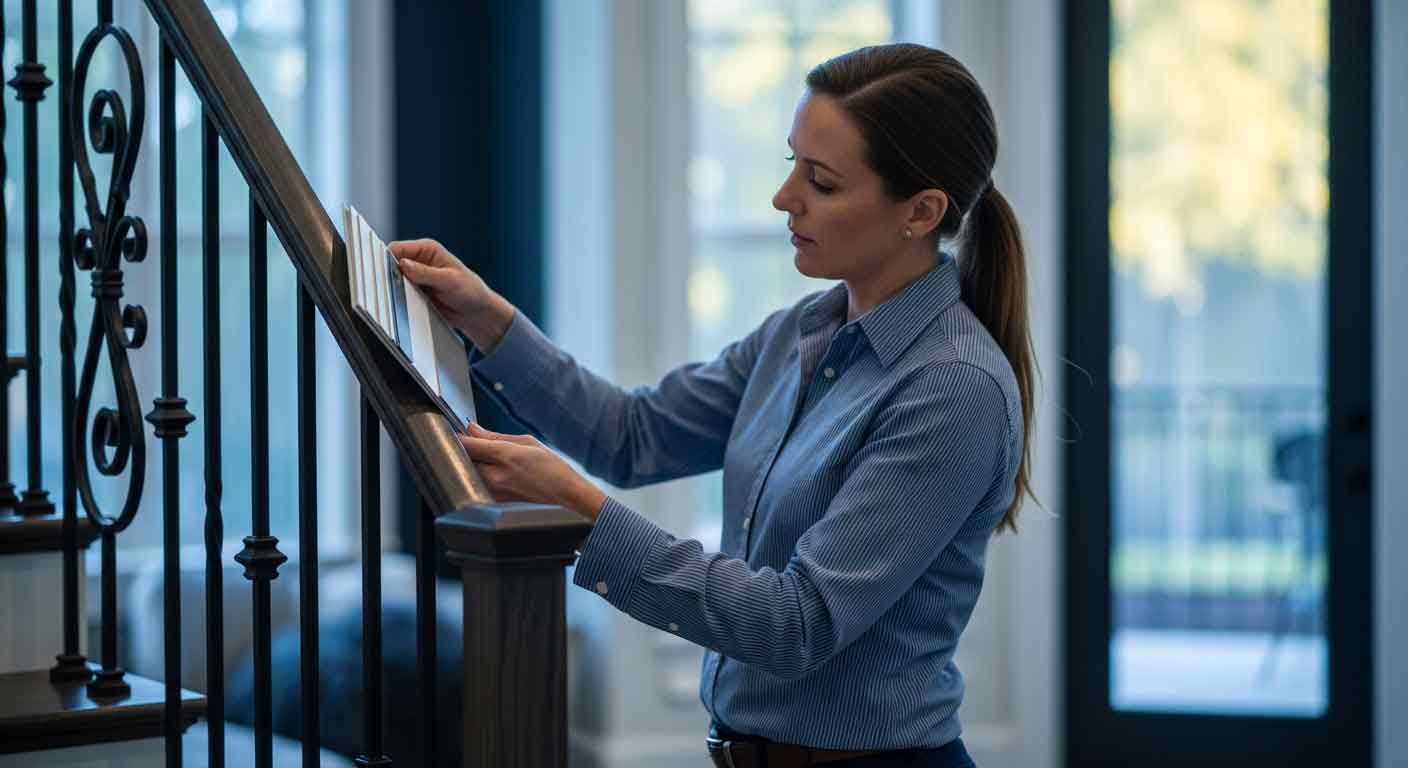
- How do they handle homeowner selections? Custom buyers change their minds. A good fabricator confirms the design in a drawing before anything is cut.
- Can they draw for HOA submission? In West Houston, Memorial and West University, that comes up often.
- What is their range? One homeowner wants traditional wrought iron, the next wants stainless cable or glass. A shop that handles both means one less sub to vet.
- Who calls when a date moves? Few trades hit every date on a construction schedule. What matters is hearing about it early.
Then ask another builder who uses them. Their answer usually tells you more than the fabricator's will.
How Long-Term Fabricator Relationships Develop
The first house is mostly a test. The builder is watching whether the shop measured right, showed up when it said it would, and left the site clean.
By the second or third house, things get easier. The fabricator knows the builder's standard details, knows the superintendent, and knows how that builder wants to hear about a problem. The builder stops checking behind them. That is usually the point where a fabricator becomes part of how the builder works (instead of one more number on a bid sheet), and builders who find a shop they trust rarely go looking for another one.
We have seen this from our side for a long time. A.G. Metalworks used to have a lot of custom home builder customers, and many of them stayed with us house after house. A lot of those relationships ended the same way: the builder retired and closed up shop.
Starting a New Builder Relationship
So where does that leave a builder looking for a new fabricator? Start with one house. Set the expectations at the beginning: the schedule, how the scope will be written, and who the homeowner talks to about design. A shop that takes that conversation seriously on the first job usually takes it seriously on the tenth.
How A.G. Metalworks Works With Custom Home Builders
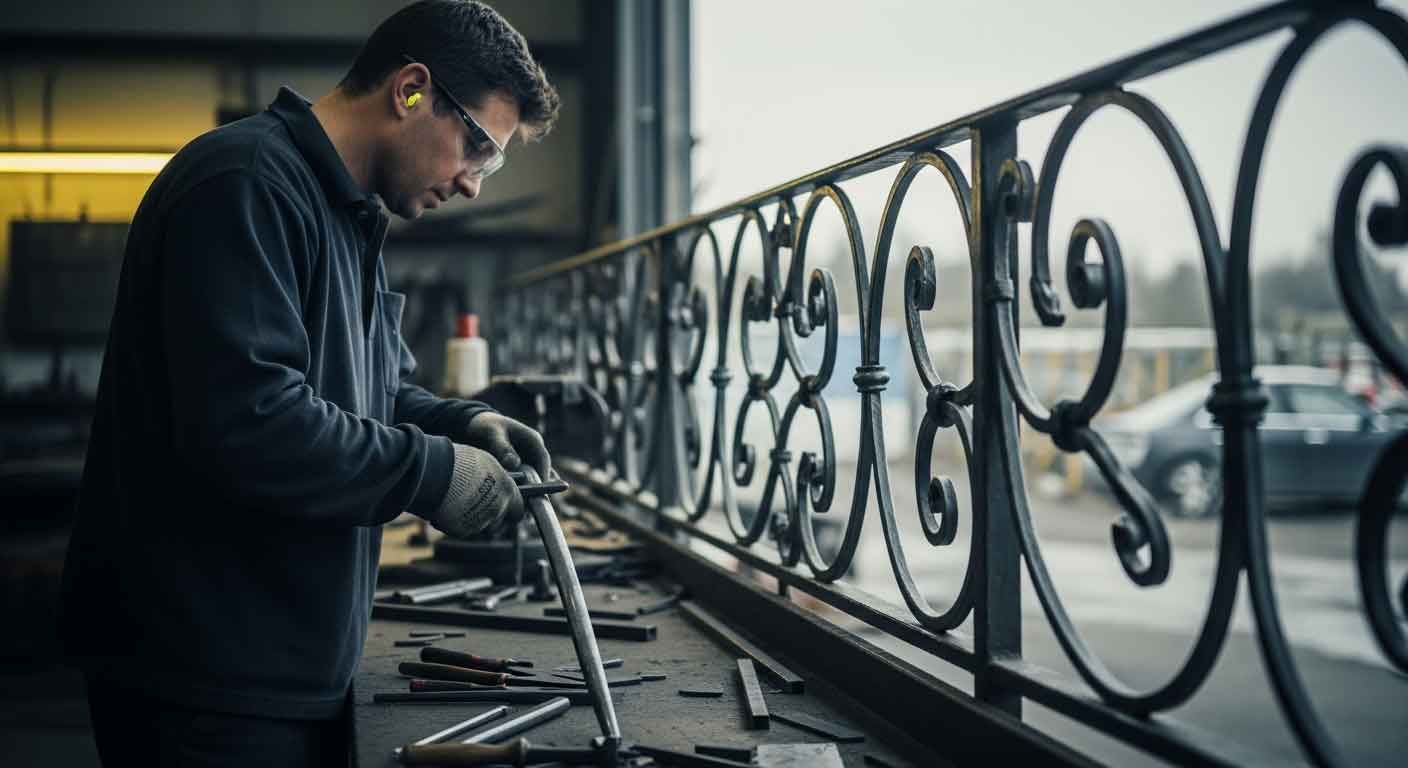
A.G. Metalworks has been doing residential ironwork in Houston for nearly 40 years, and custom home builders were among our first customers. We handle the work from design through installation: drawings for homeowner and HOA approval, fabrication in our own shop, and installation by our own crews. Estimates start with a free consultation and a site visit when one is needed, the proposal is in writing, and current insurance limits are available on request. We work with builders in West Houston, Memorial and West University, and we are glad to start with a new builder on one house.
Contact A.G. Metalworks to discuss ironwork for your next custom home by requesting a free consultation or calling us at (346) 528-5677.
From Consultation to Installation Day: What the Custom Metal Fabrication Process Actually Looks Like