Iron Fencing in Houston: What to Know Before You Choose a Style
Wrought Iron, Forged Iron, and Tubular Steel
When homeowners contact us about residential iron fencing, one of the first questions is what actually separates wrought iron, forged iron, and tubular steel. The terms get used interchangeably in showrooms and search results, but they describe meaningfully different materials and construction methods.
True wrought iron is rare in modern fabrication and largely historical. It is a worked, low-carbon iron with slag inclusions that gave traditional fences their fibrous texture. Most fencing marketed as "wrought iron" today is not wrought iron in that original sense.
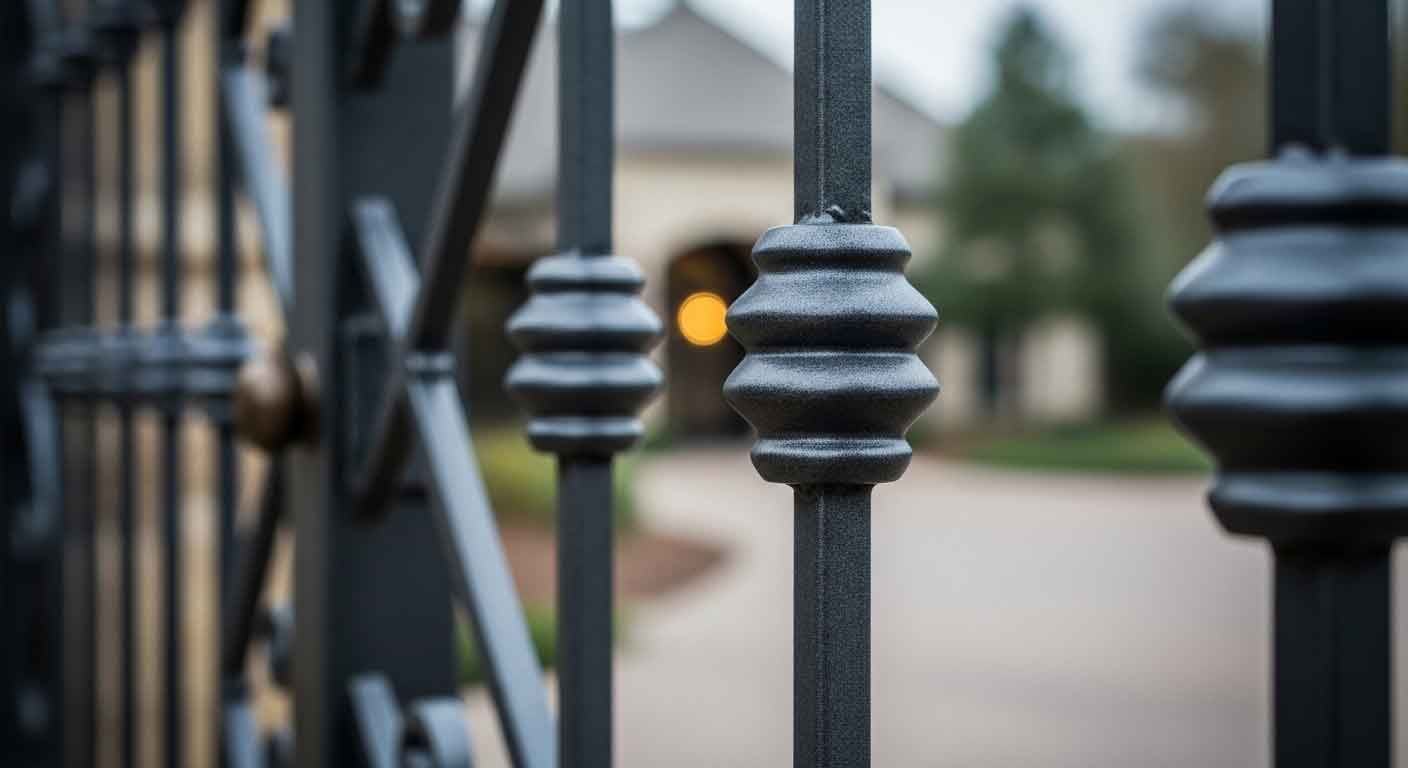
Forged iron is solid steel that has been heated and shaped under pressure. Dense, heavy, and capable of holding fine decorative detail. It is what most people picture when they imagine an ornamental fence with substantial pickets and scrollwork.
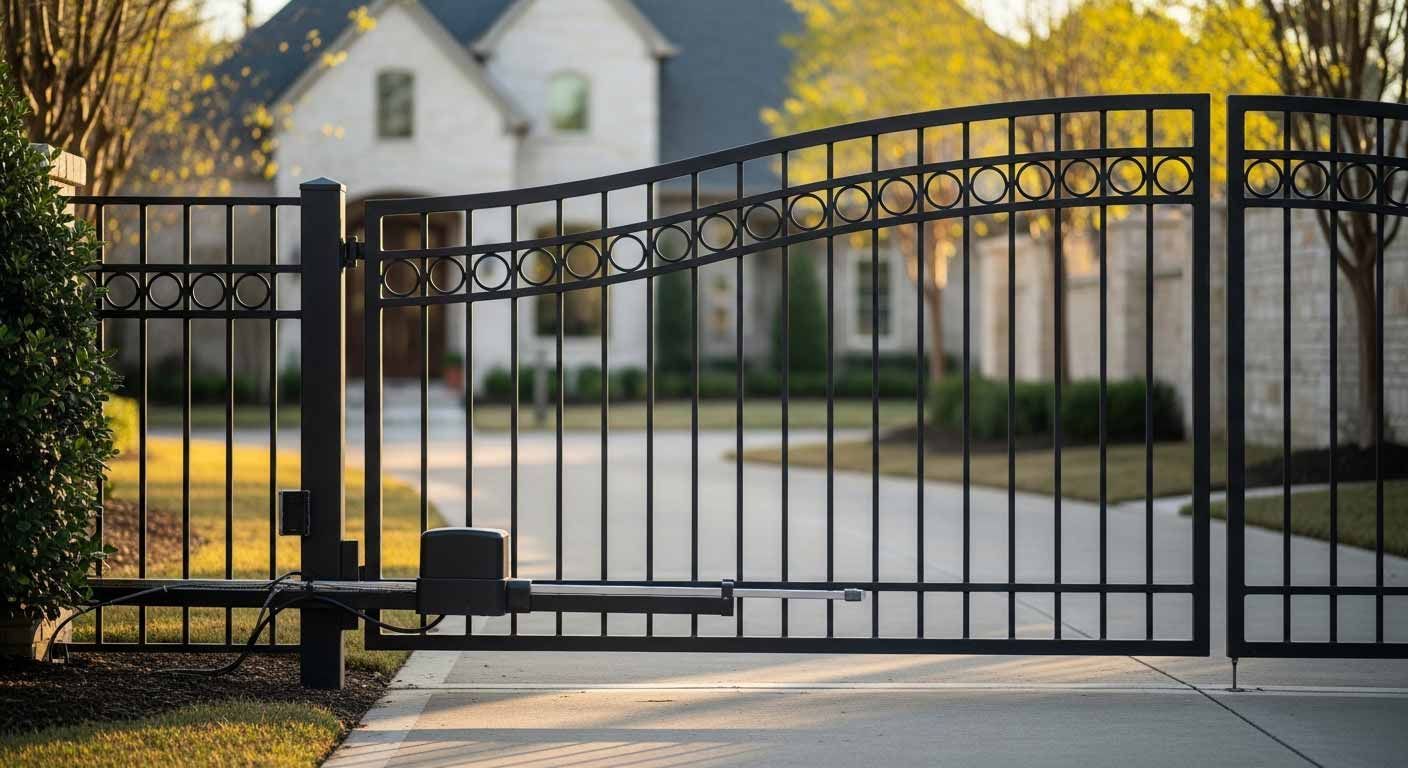
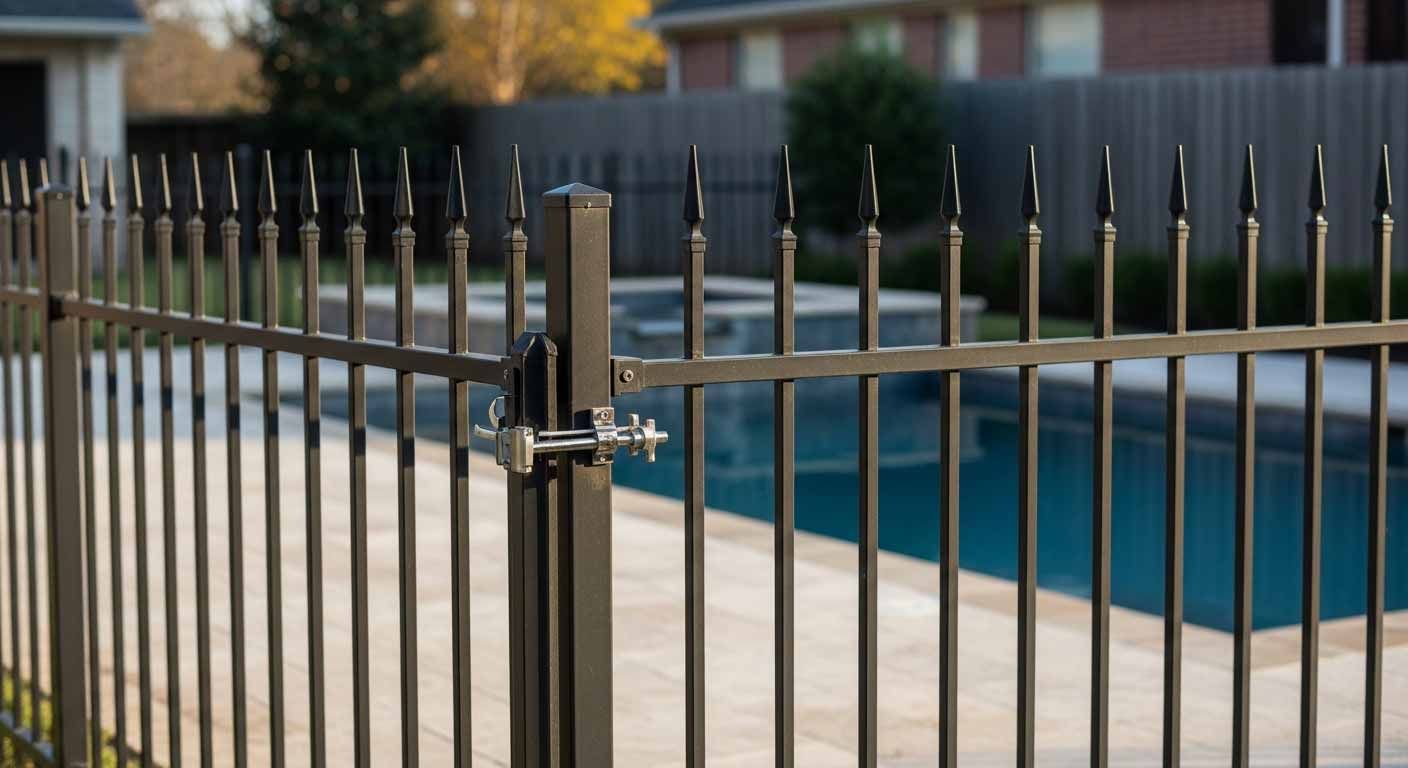
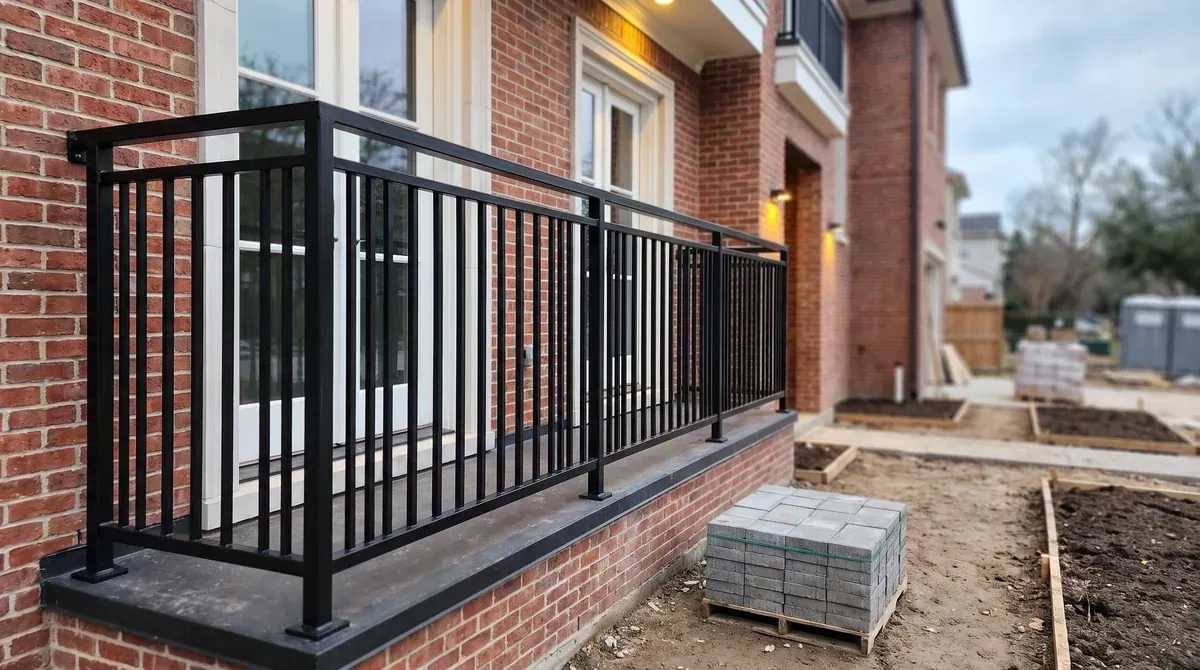
Tubular steel is what most custom residential fences are actually built from today. Hollow steel pickets, rails, and posts are welded together and finished with a powder coat. It is lighter than solid forged iron, more consistent in profile, and can be fabricated to almost any design a homeowner brings in. A well-built tubular steel fence in a clean flat-top profile holds its own visually alongside anything forged, and it performs well in Houston's heat and humidity.
The Move Toward Simpler Designs
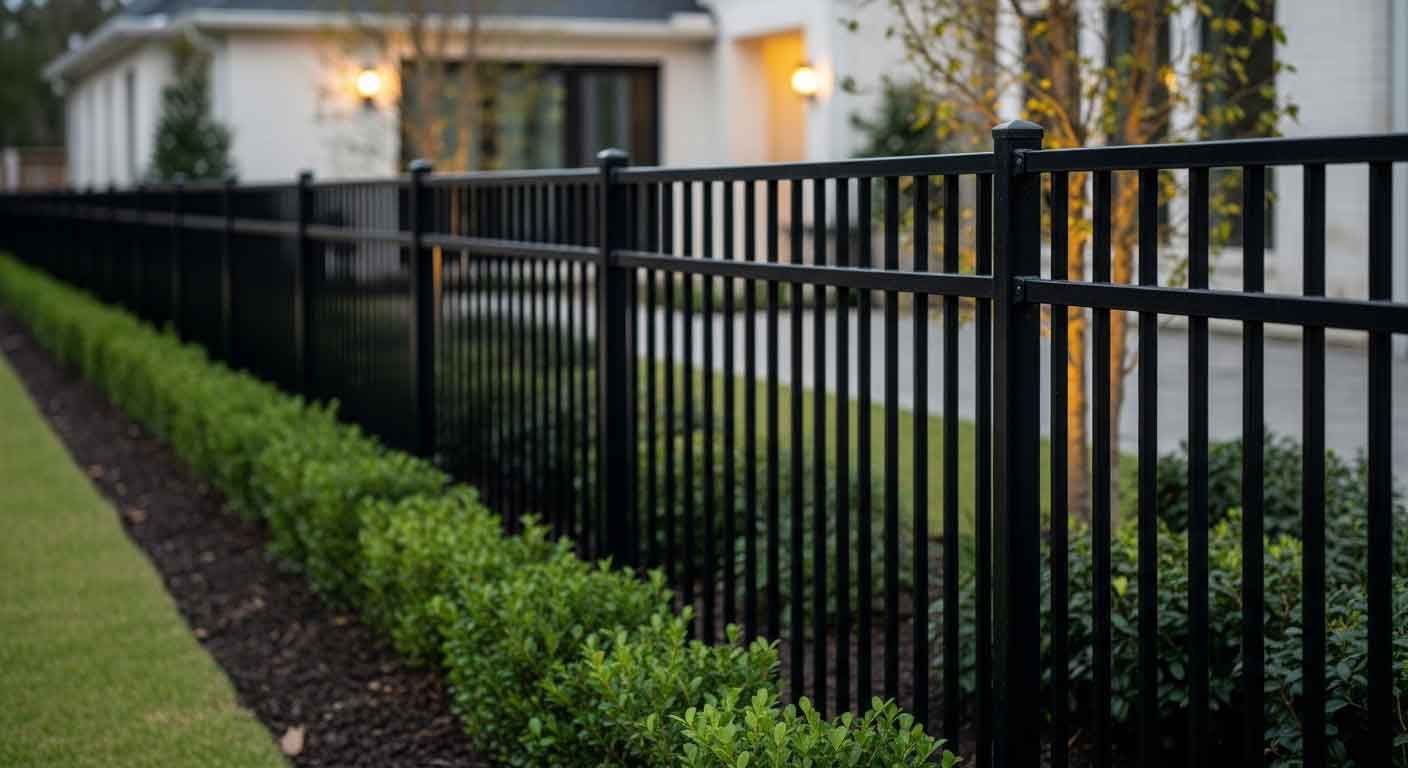
The request we hear most in West Houston and Memorial right now is for something clean and uncluttered. Ornate fencing with elaborate scrollwork and spear finials still fits certain homes and neighborhoods, but the trend has clearly shifted toward flat-top profiles, consistent picket spacing, and minimal decorative detail.
Much of this follows what is happening inside the home. Interior designers working on high-end renovations are using cleaner lines throughout, and a fence that competes visually with the architecture tends to feel busy. One that complements it tends to feel intentional.
Simpler designs also hold up better over time. Fewer decorative elements mean fewer surfaces where moisture and debris can collect. After nearly 40 years doing this work, we have come to appreciate that the designs that age most gracefully are often the ones that rely on proportion rather than embellishment to make an impression.
Front Yard vs. Rear Yard: Let Function Lead
How a fence gets used should drive what it looks like and how it is built.
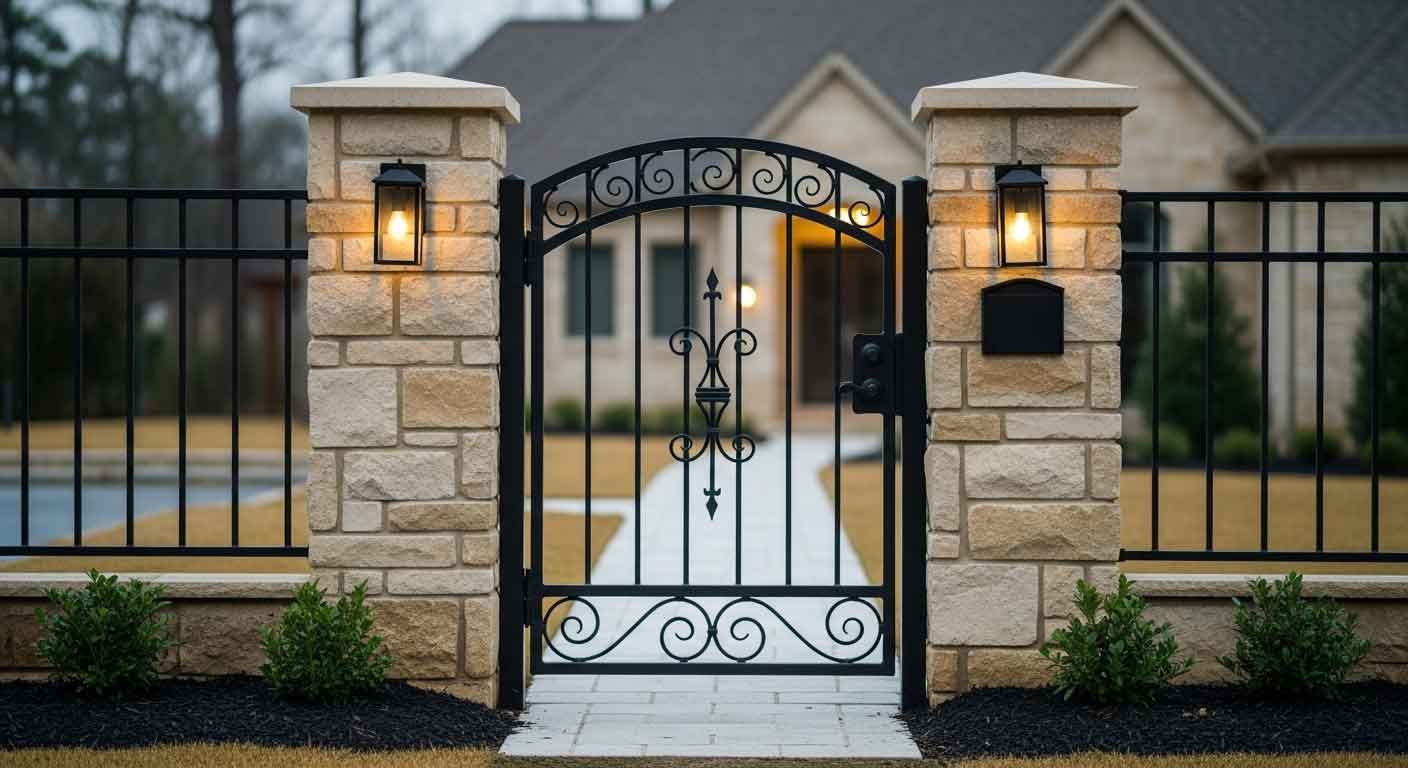
Front yard fencing is primarily visual. It marks the property, frames the home, and contributes directly to curb appeal. Heights in the three to four foot range are standard for front yards in Houston, and anything taller typically requires planning department review or HOA approval before installation can proceed.
Side and rear yard fencing serves a different purpose. Privacy, pool safety, pet containment, or simply defining the property line. A homeowner planning a rear fence may weigh height, gate placement, and spacing more heavily than decorative finish. Over-designing a fence that runs along a back property line where no one spends time tends not to be the best use of the budget.
That said, if a backyard functions as the primary outdoor living space and the fence is visible from a covered patio or pool deck, it benefits from the same design attention as the front. How the property is actually used determines what the fence should do.
HOA Approval in Memorial and West Houston
If your property has deed restrictions or an active HOA, design approval is a required step before fabrication begins. Many neighborhoods across Memorial, Bellaire, and West University have architectural review processes, and getting approval in place before work starts is much simpler than addressing it after.
Common things HOAs regulate for iron fencing include:
- Height limits (often four feet for front yards, up to six feet for rear yards)
- Material type (iron and aluminum are commonly approved; chain link typically is not)
- Finish color (most require black or a dark powder coat)
- Picket spacing and profile style
- Setback distance from the property line
A.G. Metalworks produces detailed drawings and specifications for HOA submission as part of our design process. We are familiar with the typical requirements across our service area, and getting the documentation right early prevents changes to work that has already been fabricated.
The Process: From Inspiration Image to Installed Fence
Most homeowners come to us with some sense of what they want. A photo saved from Houzz, a neighbor's fence they admire, a sketch, or a general direction like "simple, modern, about five feet tall." We start with a conversation to understand the design goals and the practical requirements: grade changes, gate locations, and what the fence actually needs to accomplish day to day.
From there we develop drawings. Straightforward projects move through this quickly. For HOA submissions, we add enough detail that the reviewing committee can see exactly what will be built.
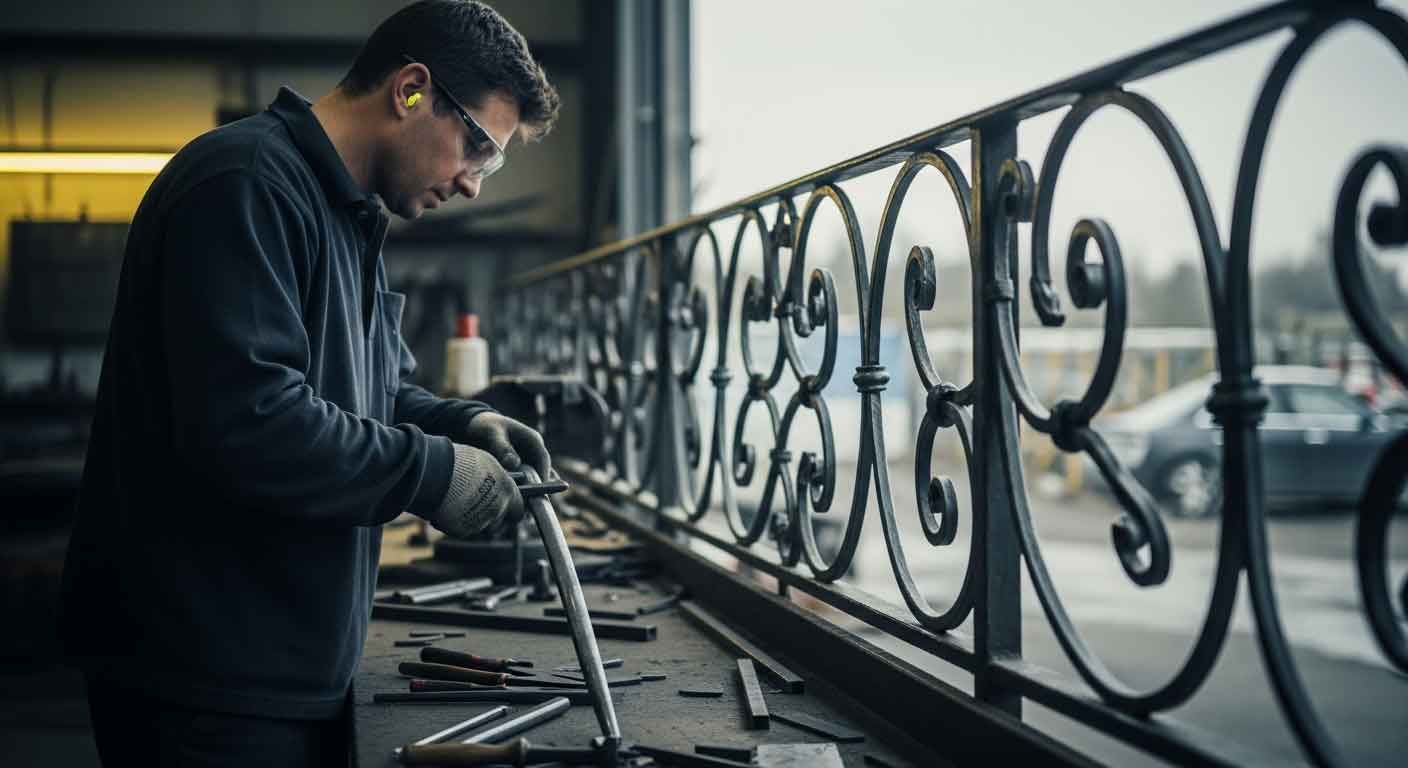
Once design is confirmed, we measure the site. Houston lots vary considerably in grade, and how the fence addresses slope affects how it looks once installed. Fabrication happens in our shop. Most residential fence projects run two to three weeks in fabrication once design is finalized. We handle the full installation ourselves.
Starting Your Fencing Project
Matching materials and design to how the fence will actually be used, understanding what the HOA requires if one applies, and working with a fabricator who can execute the design you have in mind are the three things that tend to determine how well a fencing project goes.
A.G. Metalworks has been fabricating and installing custom iron fencing for Houston homeowners for nearly 40 years. We handle the full project from design drawings through installation, and we know what HOA review in Memorial and West Houston typically looks for.
Contact A.G. Metalworks to discuss your fencing project by requesting a free consultation or calling us at (346) 528-5677.

From Consultation to Installation Day: What the Custom Metal Fabrication Process Actually Looks Like