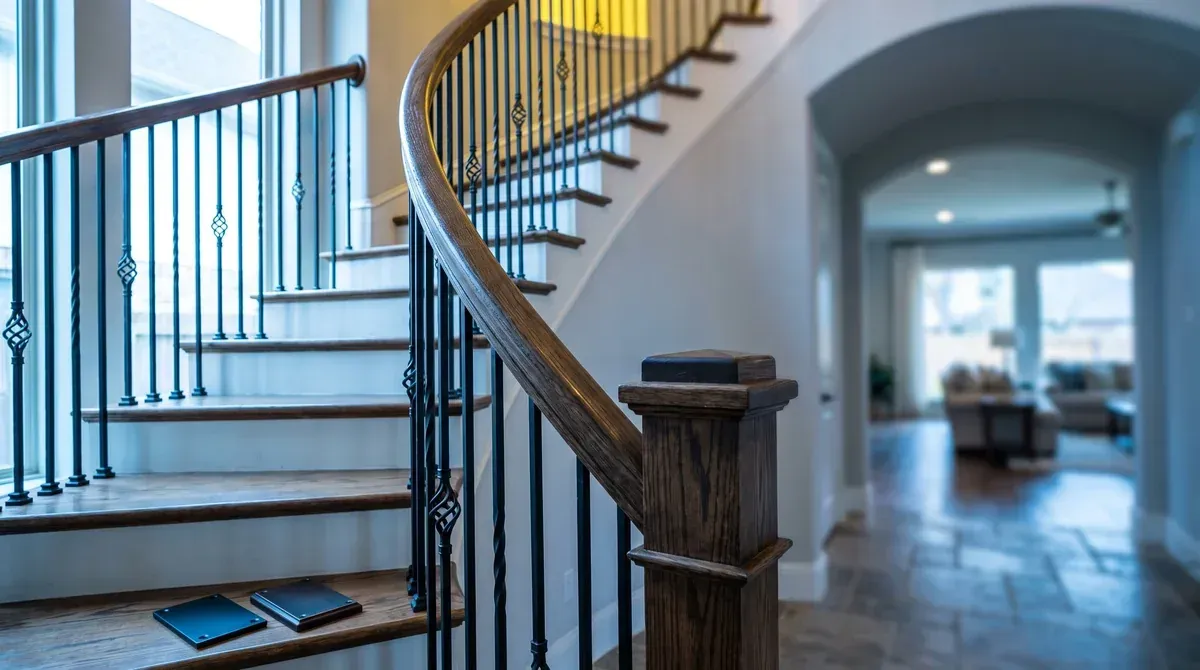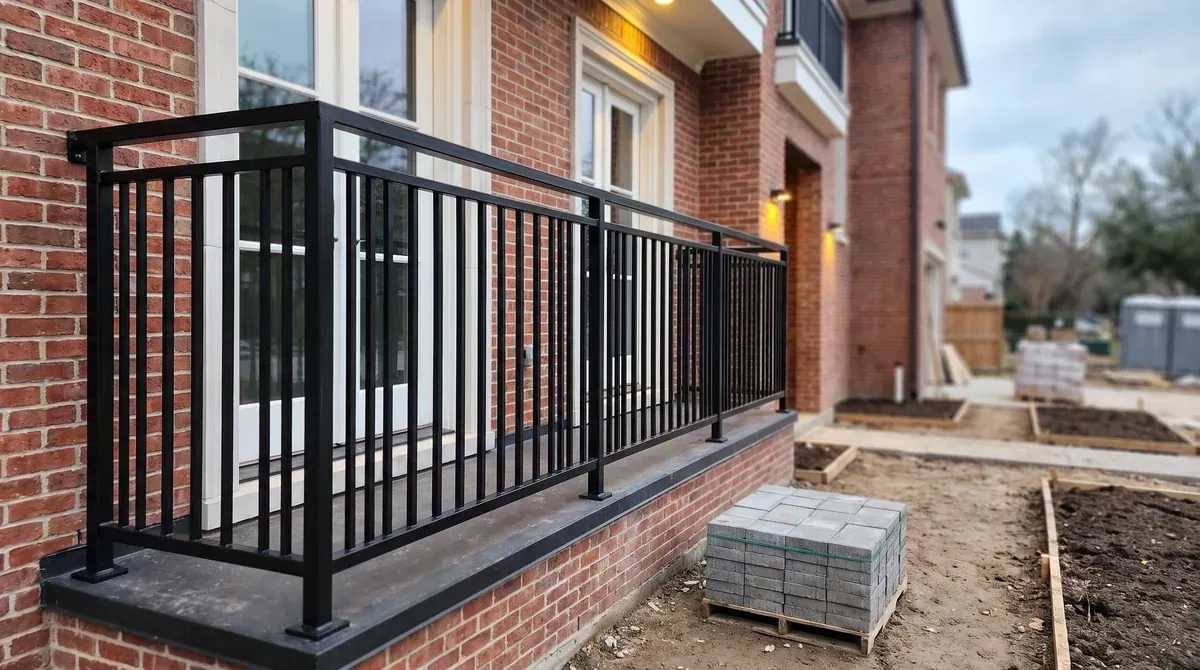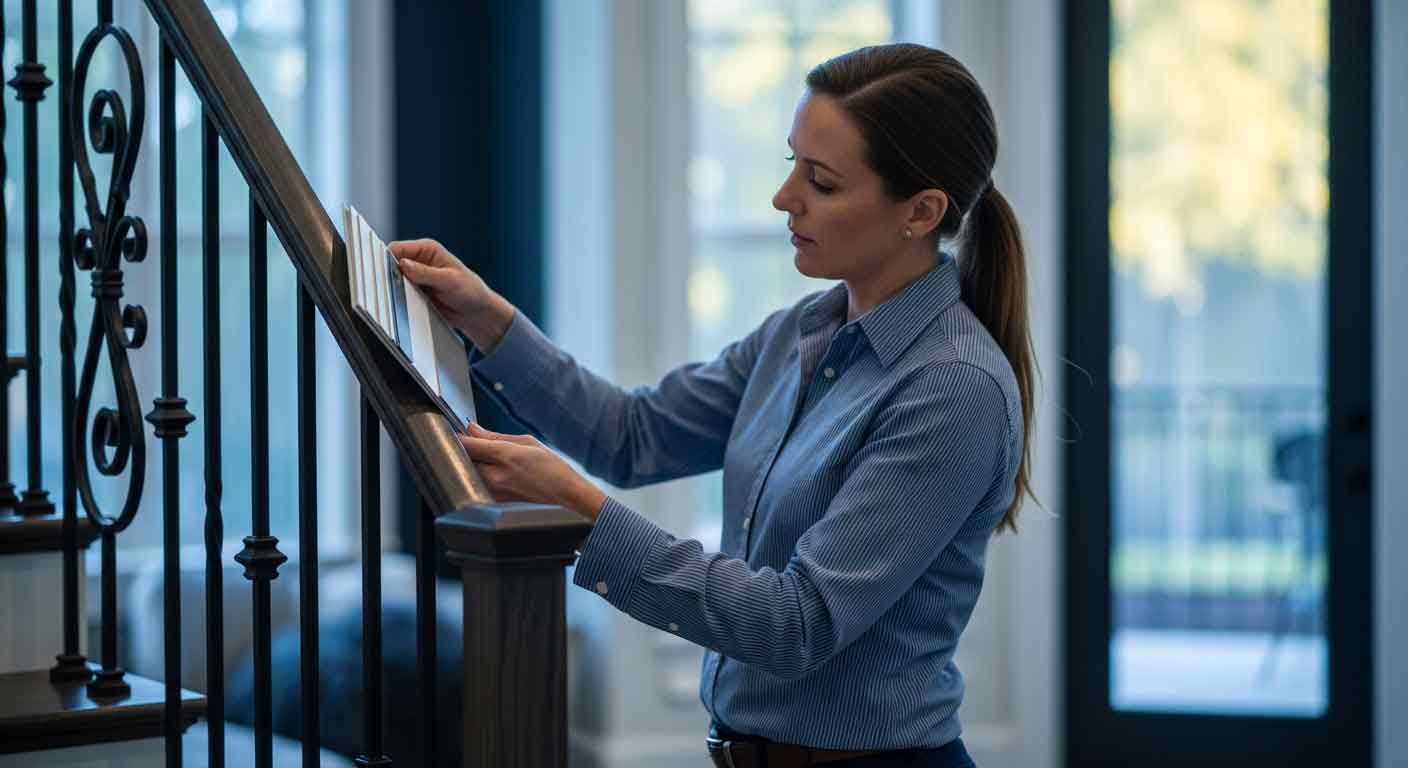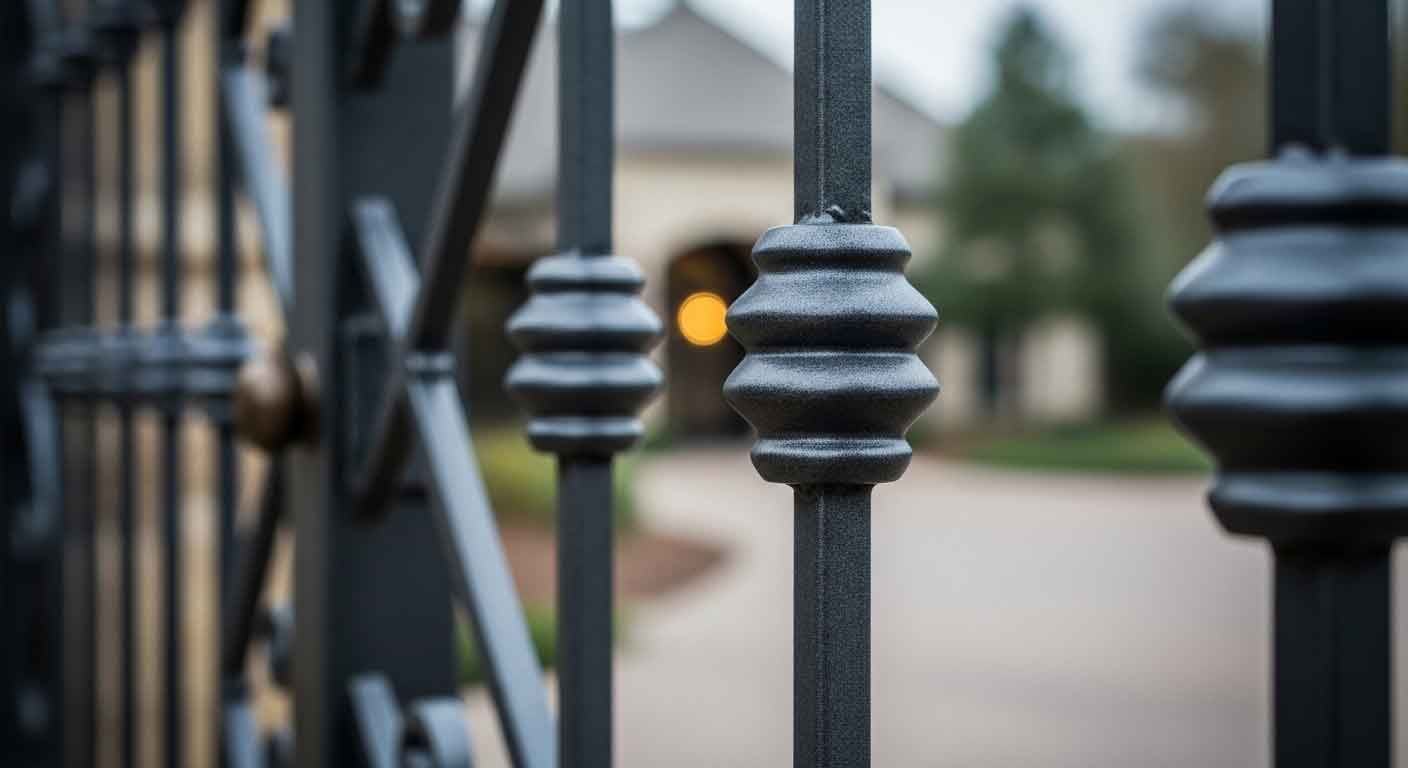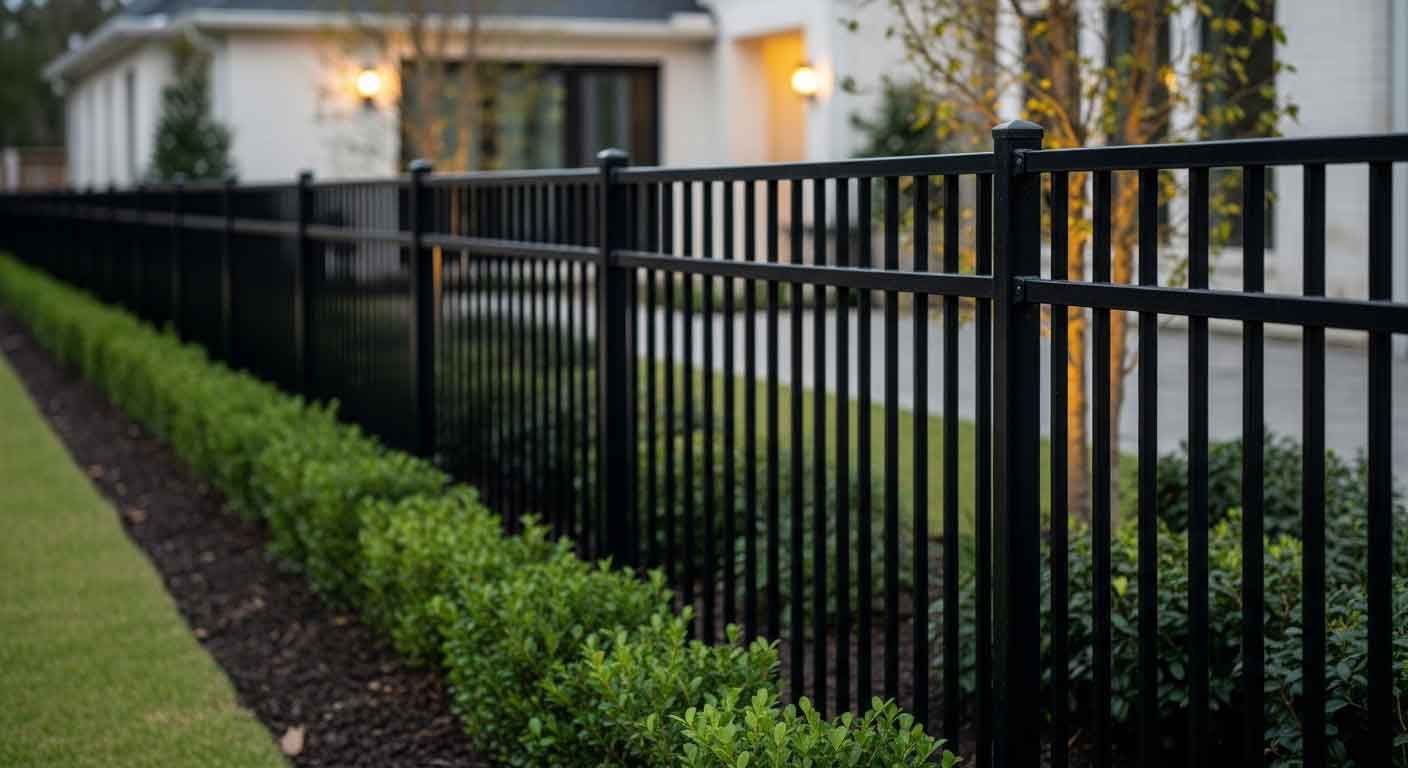
From Consultation to Installation Day: What the Custom Metal Fabrication Process Actually Looks Like
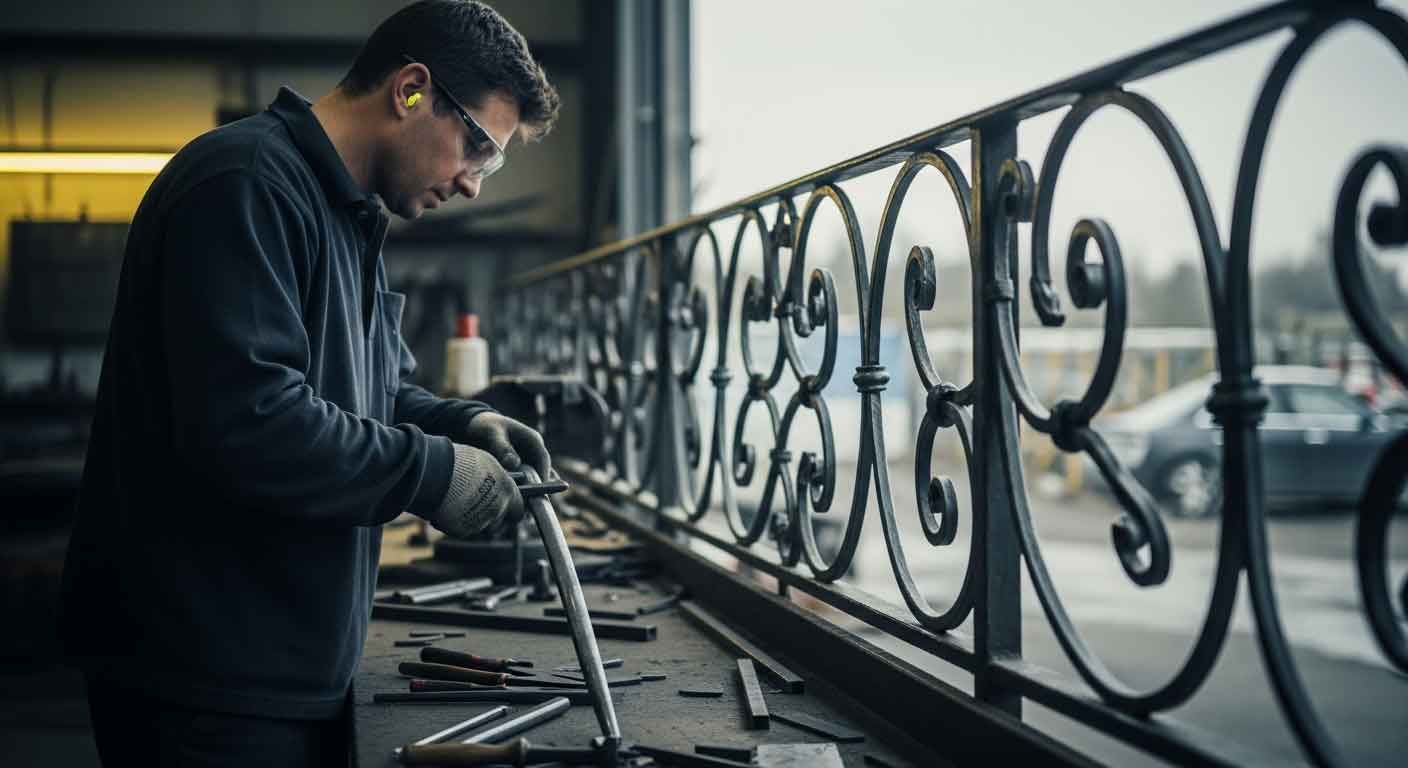
A.G. Metalworks • May 18, 2026

From Consultation to Installation Day: What the Custom Metal Fabrication Process Actually Looks Like

  • Why most homeowners have no frame of reference for how custom metal fabrication works before their first call
  • Step one: the initial consultation and what a fabricator needs to know to give useful guidance
  • How measurements, design development, and material selection happen in sequence
  • What fabrication actually involves and why lead time exists
  • Typical timelines by project size: small jobs, medium jobs, and larger full-property installations
  • What installation day looks like and what homeowners should expect during and after
  • What happens if something needs adjustment after installation
  • Internal links: /services/stair-railings, /services/driveway-gates, /contact


Close-up of powder coat finish on custom iron gate at a West Houston residential property
By A.G. Metalworks May 11, 2026
Houston's heat and humidity are hard on iron finishes. What West Houston homeowners should know about powder coat, rust prevention, and annual maintenance.
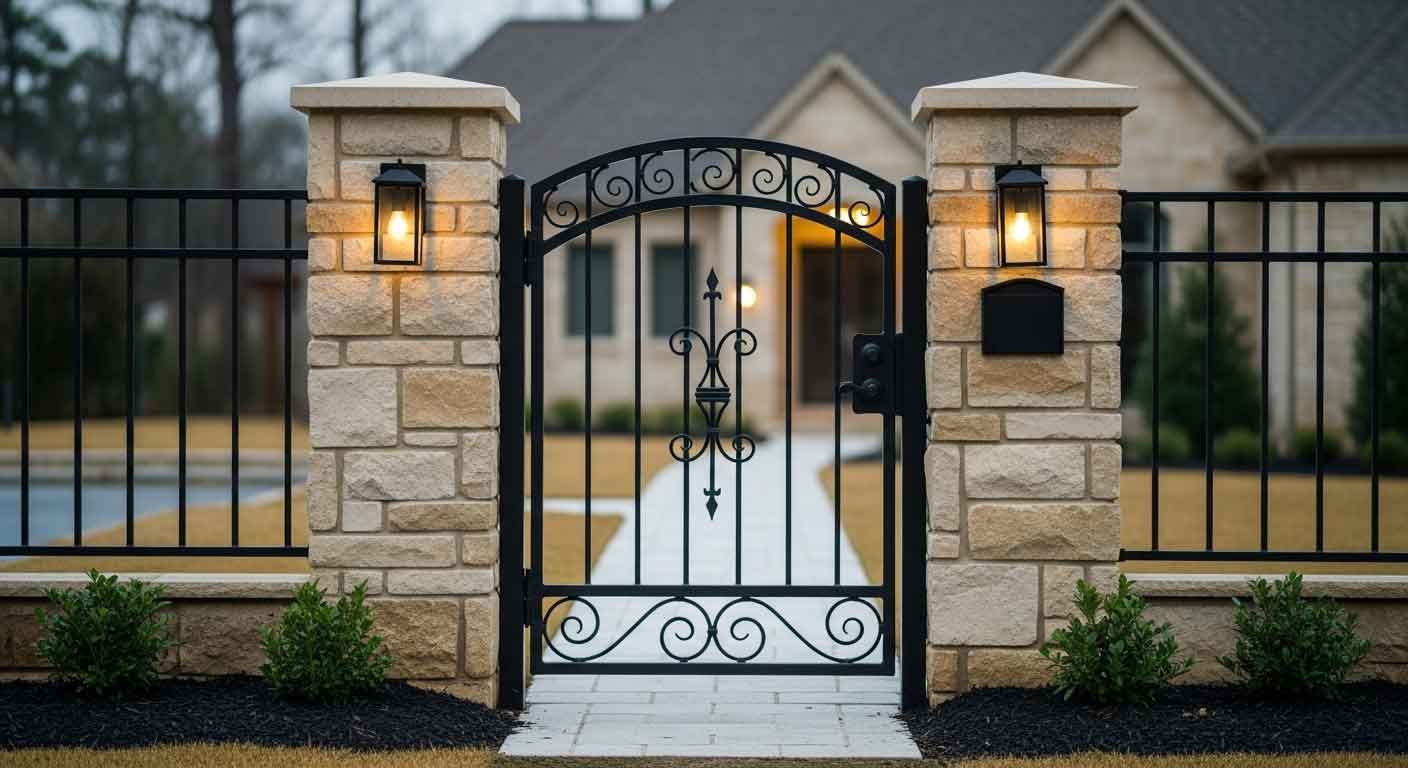
Custom wrought iron pedestrian entry gate set into perimeter fencing at a West Houston residential
By A.G. Metalworks May 4, 2026
Pedestrian entry gates are often overlooked in Houston renovation planning. A.G. Metalworks walks you through design, hardware, and HOA submission for your iron gate.
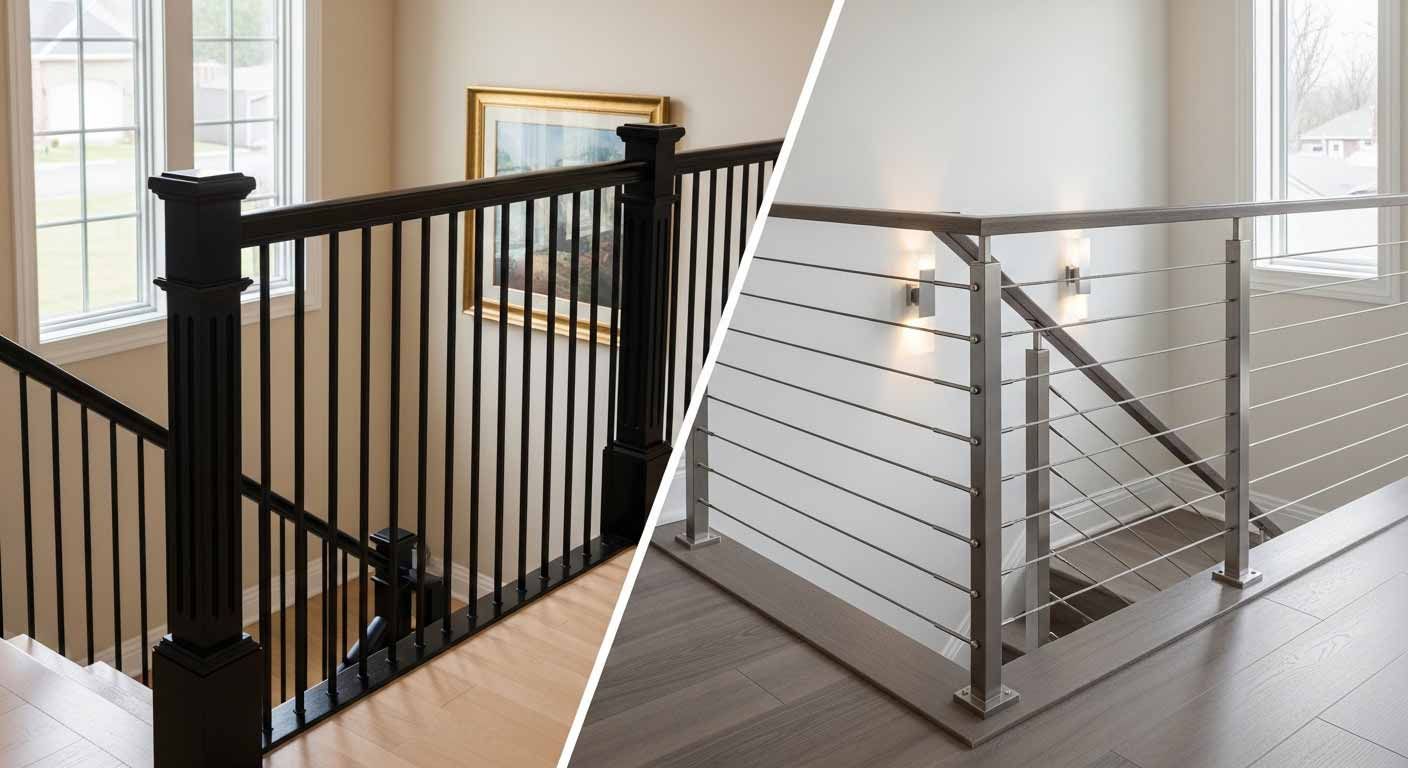
Split view comparing custom iron stair railing and stainless steel cable railing inside Houston home
By A.G. Metalworks April 20, 2026
Iron and stainless steel cable railing solve different design problems in Houston homes. Here is how to read the comparison before you choose a direction.
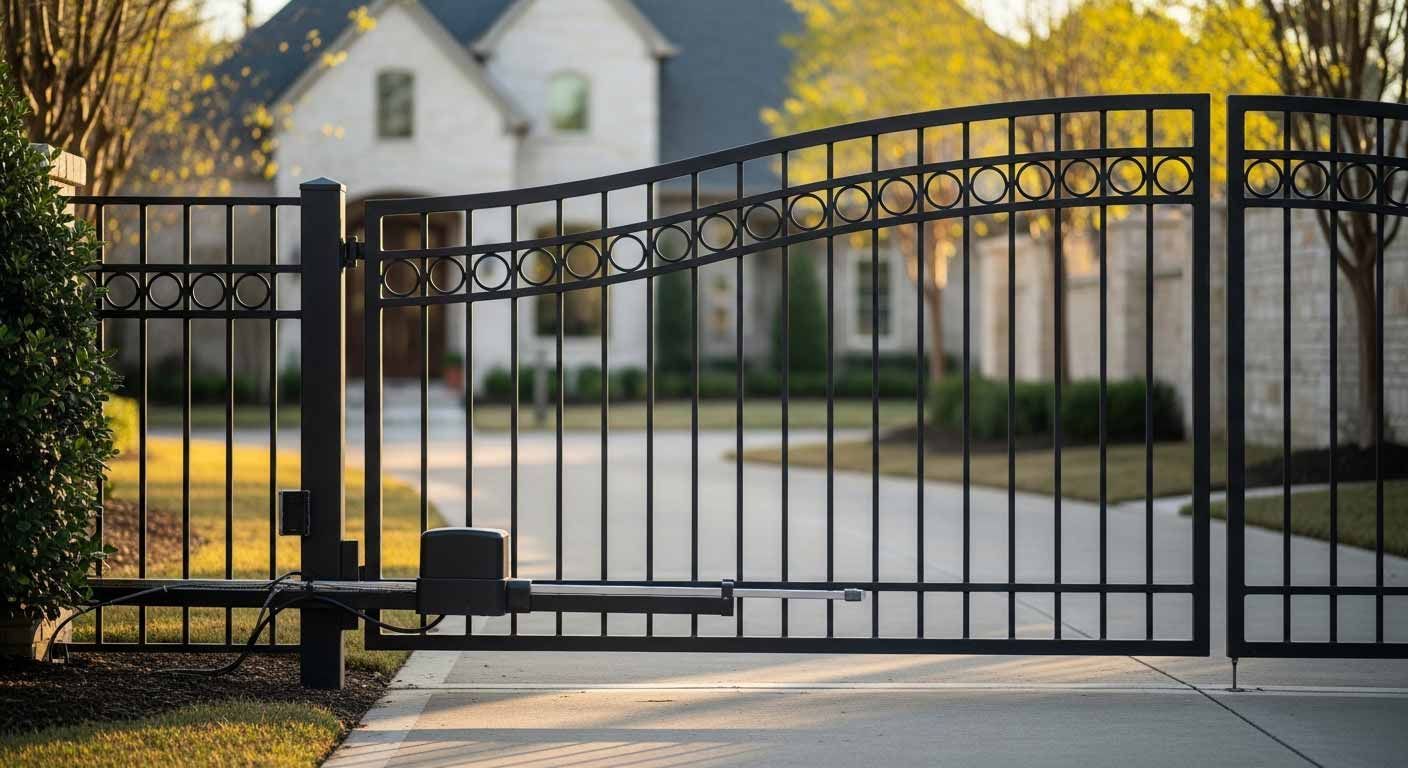
Custom double-panel wrought iron swing gate with automated operator at a West Houston residential dr
By A.G. Metalworks April 13, 2026
Automated driveway gates in Houston involve decisions about gate type, operators, and HOA approval that should be made before fabrication starts. Here is what to work through first.
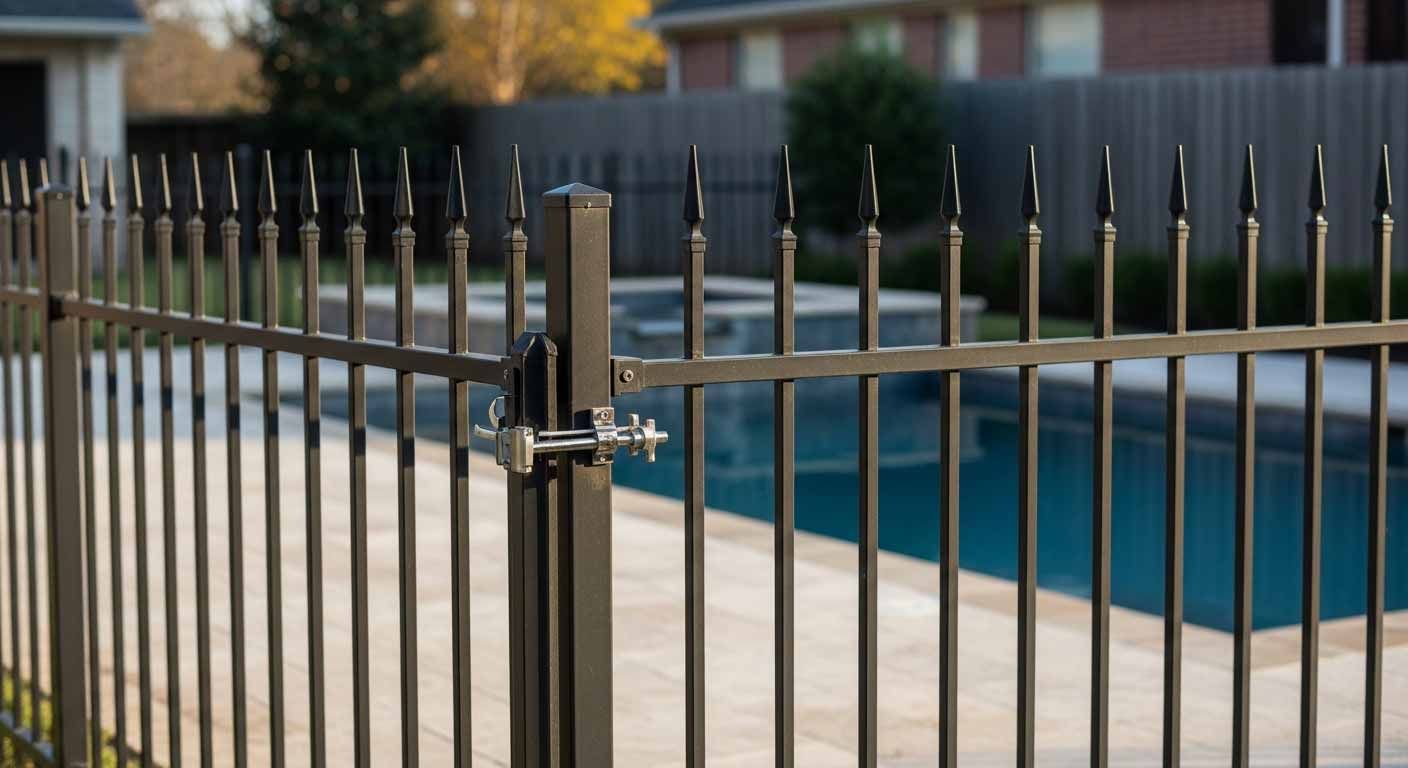
Custom ornamental iron pool fence with vertical pickets and self-latching gate at a West Houston res
By A.G. Metalworks April 6, 2026
Pool fencing in Houston must meet Texas code minimums and clear HOA review before installation. Here is what West Houston and Memorial homeowners need to know.
Custom flat-top black iron fence surrounding a West Houston residential property with powder coat
By A.G. Metalworks March 30, 2026
Iron fence style, materials, and HOA approval in Memorial and West Houston. A.G. Metalworks explains what to consider before choosing a design.
Custom forged iron double door on a high-end Houston residential home exterior, matte black powder
By A.G. Metalworks March 19, 2026
Custom iron doors in West Houston are fabricated to your entryway's exact dimensions. Here is what to decide on design, finish, and glass before you call a fabricator.
By A.G. Metalworks March 9, 2026
Why the Fabricator Matters as Much as the Design Homeowners in West Houston and Memorial spend real time choosing a design for their iron stair railings , driveway gates , or property fencing . They browse Houzz, save inspiration photos, and think through how the finished product will look in their home. That part of the process gets a lot of attention, and it should. What sometimes gets less attention is the fabricator. The company you hire determines whether the design you chose actually gets built the way you imagined it. A great design paired with the wrong fabricator leads to frustration, delays, and results that don't match the picture in your head. A good fabricator makes the entire process feel straightforward. We have been doing this work in Houston for nearly 40 years, and we have seen what happens when the fit between homeowner and fabricator is right, and when it is not. Here is what we think matters most. Look for a Track Record You Can Verify Experience matters in custom metalwork. Fabricating a one-of-a-kind iron railing or gate is not the same as installing something off a shelf. Every project involves measurements specific to your home, design decisions that affect both the look and the structural integrity, and finishing details that determine how the piece holds up over time in Houston's climate. Ask how long the company has been in business. Ask to see examples of past work, particularly projects similar to yours. A fabricator who has been doing residential ironwork for decades has worked through problems that a newer shop has not encountered yet. Look for range too. A company that handles stair railings, gates, fencing, and custom iron doors has broader fabrication capability than one that only does a single product type. That range often translates to better problem-solving when something unexpected comes up on your project. Ask About the Full Process Some fabricators only handle part of the job. They may fabricate in the shop but hire someone else for installation. They may not offer design consultation. They may not handle finishing. A one-stop-shop approach, where the same company manages design, fabrication, powder coating, and installation, gives you a single point of contact and a single company accountable for the outcome. When the crew that installs the railing is the same team that fabricated it, fewer things get lost in translation. Ask specifically what the company handles in-house and what gets subcontracted. Ask what the consultation looks like. Can they work from an inspiration photo you found on Houzz or Pinterest? Can they produce drawings for your review before fabrication begins? These are reasonable questions, and any experienced fabricator will answer them without hesitation. Pay Attention to the Proposal This is one of the clearest signals of how a fabricator operates. A vague proposal that lists a single price and a loose description of the work leaves room for confusion later. A detailed proposal that specifies materials, finish type, design details, timeline, and what is included in the price tells you the company has thought through the project before asking for your commitment. In our experience, the proposal is where trust either builds or breaks down. When both sides know exactly what is being built, how it will be finished, and when it will be installed, the project runs more smoothly. When those details are left ambiguous, problems show up on installation day. Consider Local Knowledge A fabricator based in the Houston area understands things that a company shipping products from out of state does not. They understand how Houston's heat and humidity affect powder coat adhesion and long-term finish durability. They know the neighborhoods. They know what HOA architectural review committees in Memorial and West University typically look for when evaluating gate and fence designs. If your project requires HOA approval, ask whether the fabricator has experience producing submission-ready drawings. This step can save weeks of back-and-forth if the drawings meet the committee's expectations the first time. Check Certifications and Insurance A residential metal fabricator should carry business liability insurance and workers' compensation insurance. This protects you if something goes wrong during installation. Ask for proof. Any legitimate company will provide it without hesitation. Welding certifications also matter. Welders certified to AWS D1.1 standards have demonstrated competency through a formal testing process. A City of Houston structural steel fabricator certification means the company has met the city's requirements for fabrication quality. These are not marketing labels. They are verifiable credentials. Frequently Asked Questions How many estimates should I get before choosing a fabricator? Two or three is typical. But compare the detail in each proposal, not just the bottom line number. The lowest bid is not always the best value if the scope is vague or the materials are not clearly specified. Should I hire a fabricator who also does commercial work? It can actually be an advantage. A company that handles both residential and commercial projects often has stronger fabrication infrastructure, broader welding capability, and more experience managing complex jobs. What matters is that they understand the residential design sensibility and treat your home project with the same care. What if I do not have a specific design in mind yet? That is completely normal. A good fabricator will walk through your options during the consultation and help you figure out what works for your home, your style, and your budget. Bring whatever you have, even if it is just a few saved photos from Houzz. Finding the Right Fit for Your Project Choosing a fabricator is a decision that affects the quality, timeline, and experience of your entire project. The right fabricator makes it easier. They communicate clearly, build what they said they would build, and stand behind their work. A.G. Metalworks is the residential division of A.G. Welding, and we have been doing custom residential ironwork in Houston for nearly 40 years. We handle everything from design consultation through installation, and we provide detailed proposals so there are no surprises. If your project involves HOA approval, we can produce the drawings your committee needs. Contact A.G. Metalworks to discuss your project by requesting a free consultation or calling us at (346) 528-5677.
By A.G. Metalworks February 23, 2026
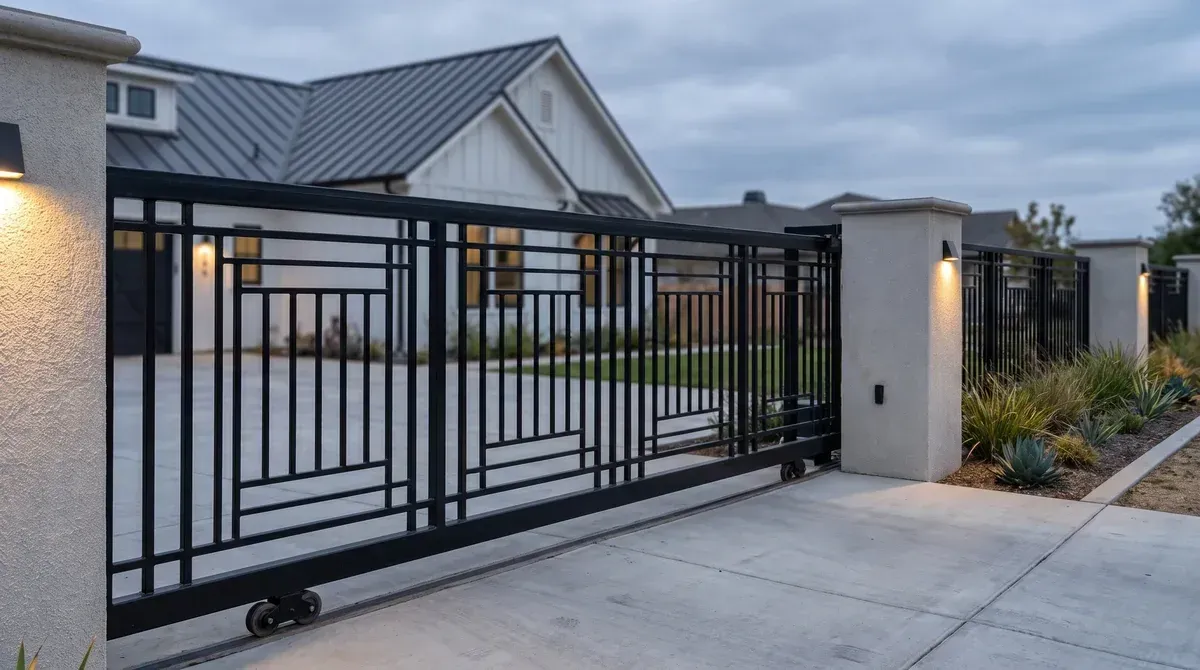
The Step Most Homeowners Skip A driveway gate is one of the more significant additions you can make to a home in West Houston or Memorial. It changes the look of the property from the street, adds a layer of security, and for many homeowners it is something they have been thinking about for years. The mistake we see often is getting excited about the project and jumping straight to fabrication without first clearing it with the HOA. That is a costly sequence to get wrong. If your fabricator builds and installs a gate that has not been approved, you may be required to remove it at your own expense. Getting the order of steps right protects both your investment and your timeline. This post walks through how the HOA approval process works for driveway gates in communities like the ones we serve across Memorial and West Houston, and how we help homeowners navigate it. Why HOA Approval for Gates Is Different from Fencing In 2021, Texas passed a law giving homeowners the right to install a perimeter fence for security without HOA interference on materials. Gates are not covered by that same statute. Your HOA may still have full authority to restrict what type of driveway gate you install, what it looks like, what materials it is made from, and how high it can be. Most HOAs in the Memorial and West Houston area manage these requests through what is called an Architectural Review Committee, sometimes called an ARC or an ACC. This group reviews homeowner modification requests to make sure proposed changes are consistent with the community's established aesthetic standards. Their decisions carry real weight, and the timeline for a decision is typically 30 to 60 days from the date of a complete application submission. That review window is worth building into your project plan from the start. If you contact a fabricator, design something you love, and then discover the HOA has specific restrictions on gate height, material, or style, you may be redoing the design or waiting significantly longer to get started. Our stair railings page shows the lead times we work with once design is confirmed. /services/stair-railings It is a useful reference for how fabrication timelines work generally. What the HOA Typically Wants to See The specifics vary by community, but most HOAs handling a driveway gate application will want: A completed architectural modification request form (available from your HOA or its management company) A design drawing showing the gate style, dimensions, and materials to be used The direction of gate swing or confirmation of slide operation A site plan or survey indicating where the gate will be placed relative to the property line and driveway Sometimes: sample photos of similar installed gates, or a description of the finish and color What they are looking for is confirmation that your gate is consistent with the community's standards. Wrought iron and forged iron gates in a simple, clean-line design tend to perform well in most HOA reviews across our service area. Very ornate designs or unusual materials are more likely to prompt requests for revision. You can see more about the driveway gate options we fabricate at on our driveway gates page . How We Help with the Submission One of the things that makes working with A.G. Metalworks straightforward on HOA projects is that we handle the design drawing as part of the process. You do not have to find a separate designer or figure out how to produce a submission-ready sketch on your own. Here is how it typically works. You contact us, describe what you are thinking about, and we have a conversation about style, material, and function. We produce a design drawing based on that conversation. You take that drawing to your HOA with the application, and the committee reviews it. If they come back with requested changes, we revise. Once you have written approval in hand, fabrication can begin. The approval-first sequence protects you. It also tends to make the fabrication phase faster because the design is already confirmed and documented. What to Do Before You Call Anyone If you are in a planned community or subdivision in Memorial, the Memorial Villages, or anywhere in West Houston, here is a practical starting point: Pull out your CC&Rs and look for the section on architectural modifications or exterior improvements. Gates are usually addressed specifically. Contact your HOA management company if you have questions about the current standards. They can tell you if wrought iron is permitted, if there are height restrictions, and what the submittal process looks like. Note the review timeline and factor it into your project schedule. Once you have a general sense of what is allowed, that is a good time to contact us. We can start the design conversation knowing the parameters, which means fewer surprises for everyone. Contact us or call (346) 528-5677 to get started. Frequently Asked Questions Do all HOAs in West Houston require approval for driveway gates? Most do, but the rules differ by community. The governing documents, specifically the CC&Rs and any architectural guidelines, spell out what requires prior approval. When in doubt, contact your HOA management company before doing anything. How long does HOA approval usually take? Most communities in our area work within a 30-day review window for complete applications. Some take longer. Plan for up to 60 days to be safe, especially if revisions are requested. Can A.G. Metalworks produce the design drawing for my HOA submission? Yes. Drawing the design for HOA submission is a standard part of our process for gate projects. We do not require you to arrive with a completed drawing. What gate materials do HOAs in this area typically allow? Wrought iron and forged iron are the most commonly approved materials in the subdivisions we work in. Some communities also allow aluminum or steel with specific finish requirements. Specific material restrictions are in your community's architectural guidelines. What is the difference between a swing gate and a slide gate? A swing gate opens inward or outward on a hinge, similar to a door. A slide gate runs on a track parallel to the fence line. Which one works for your property depends on the driveway width, lot configuration, and slope. We talk through both options during the consultation. Ready to Get the Process Started? A.G. Metalworks has been fabricating custom iron gates for homeowners across West Houston, Memorial, and the surrounding area for nearly 40 years. We know how the HOA process works in this market and we build the design documentation step into every gate project. If you want a gate that is going to get approved and installed without drama, we are glad to help you figure out how to get there. Call (346) 528-5677 or contact us to schedule a free consultation.
By A.G. Metalworks February 16, 2026
A Shift We Have Been Watching for a While The very ornate ironwork that defined a lot of West Houston and Memorial homes for the past two or three decades is not what most homeowners are asking for anymore. The elaborate scrollwork, the stacked basket twists, the dense French-inspired baluster designs. Those are still out there, still standing in homes all over the area. But when homeowners come to us now, what we hear most often is some version of the same thing: simple and elegant. It is not a passing trend. The shift has been building for years and it reflects something broader happening in high-end residential design. Interiors have gotten cleaner. Architecture has gotten more restrained. Ironwork that once communicated "luxury" through its complexity now often reads as dated against a contemporary or transitional interior. What we are seeing instead is a real interest in ironwork that is well-made and visually confident without requiring the eye to do a lot of work to take it in. What "Simple and Elegant" Actually Looks Like It is worth being specific here, because "simple" can mean a lot of different things. In practice, the designs we are being asked to fabricate most often right now share a few common characteristics. Clean vertical pickets with consistent spacing. Square or rectangular stock rather than twisted or tapered profiles. Matte black powder coat as the finish of choice. Proportions that feel intentional without being heavy. The design makes its statement quietly. For stair railings, that often means slim vertical iron balusters paired with a wood handrail. The contrast between the warm wood and the dark iron is part of the appeal. The iron does its job without competing with the rest of the interior. You can see more about what this looks like in practice on our stair railings pag e . For driveway and entry gates, simple and elegant typically means clean horizontals and verticals, minimal decorative elements, and a design that frames the property rather than dominates it. The gate becomes part of the home's composition rather than a standalone piece trying to make an independent statement. For fencing, the same principle applies. Homeowners in our service area are choosing designs that give the property definition and presence without adding visual noise. You can read more about fencing options here . Why Ornate Ironwork Has Lost Ground We are not here to say there is anything wrong with an ornate design. Some homes call for it. Some homeowners genuinely love it and that is reason enough. But there are a few practical reasons why the elaborate styles have fallen out of favor in this market. First, tastes have changed. Interior design in the Houston luxury market has moved toward cleaner, more architectural aesthetics. When your floors are white oak, your walls are a warm neutral, and your kitchen has flat-front cabinetry, an elaborate baluster system starts to feel like it belongs in a different house. Second, maintenance matters more to some homeowners than it used to. Highly ornate ironwork collects dust and grime in its crevices. A simple vertical picket design is significantly easier to clean. For a homeowner who wants ironwork that looks good over the long term with minimal effort, simpler is better. Third, and this one is straightforward, simpler designs tend to age better. The question worth asking about any iron installation is how it is going to feel in ten or fifteen years. A clean, well-proportioned design made with quality material holds up. Designs that chase a very specific ornamental style can start to feel dated as that style moves on. The Materials That Go With This Direction The shift toward simpler designs has also opened up material conversations that would not have come up as naturally a decade ago. Stainless steel cable railing is a good example. We see genuine interest in it from homeowners and designers working on contemporary and transitional interiors. Cable railing achieves a visual lightness that iron pickets do not. It keeps sightlines open, works well on staircases with dramatic views into a great room, and reads as modern without trying too hard. You can explore that and other options at /services/stair-railings (link). Combining materials is also something we do more of now than we used to. Iron posts with a wood handrail, or an iron gate with glass infill panels. The mixing of materials is part of how clean-line designs achieve warmth and visual interest without adding decorative complexity. Two materials doing two different things, and doing them well, can carry a design further than one material trying to do everything through ornamentation. What to Bring to the Conversation If you are thinking about new ironwork for your home and the simple and elegant direction feels right, a few things help the design process move quickly: Browse Houzz before you call. Having two or three images that represent what you are drawn to tells us more than a general description. Think about the interior the ironwork needs to work with. What are your floors, your walls, your cabinetry? The ironwork should extend that aesthetic, not contradict it. Consider function alongside form. A driveway gate that looks clean needs to also operate reliably. We talk through function, material, and finish at the same time. Thinking About Ironwork for Your Home? A.G. Metalworks is the residential metal fabrication division of A.G. Welding, and we have been working with West Houston and Memorial homeowners on custom ironwork for nearly 40 years. The trend toward simple and elegant is one we understand well, and frankly, it is one we have always felt at home with. If you are considering a railing renovation, a new gate, or any custom ironwork project, we are glad to start a conversation. Call us at (346) 528-5677 to schedule a free consultation.